

Nowadays, smartphones have become an important part of many people’s lives and they are used in everyday routine for communicating, working, surfing the Internet, and so forth. Although many people do not think much about smartphones when using them, these devices have a lot of sophisticated technologies and mechanisms inside that are responsible for making them so handy for humans to use. In this article, we will learn more about the science behind smartphones.
Display Technology: The Science of Screens
As is known, there are three main types of display technologies implemented in smartphones, which are Liquid Crystal Display (LCD), Organic Light-Emitting Diodes (OLED), and Active Matrix Organic Light-Emitting Diodes (AMOLED). All these screens work by using a layer of liquid crystals, which may either block or allow light rays to pass through a matrix of pixels. OLED screens have a special mechanism: they have pixels, which emit their own light and provide deep black colors and very bright hues.
It is necessary to say that the type of display impacts greatly how much energy a smartphone consumes because, for instance, OLED displays consume less power due to the fact that pixels on them light up only when it is required. Also, these displays use the mechanism called Pulse-Width Modulation: they are switched on and off very quickly, providing the impression of continuous operation and saving energy at the same time. It is considered to be beneficial both for battery consumption and eye relief.
Battery Life: The Science of Energy Storage
Rechargeable batteries power smartphones. The most popular type of battery for them is Lithium-Ion (Li-ion) and Lithium-Polymer (Li-po) batteries. Their principle of functioning is connected with electrochemical reaction: ions of lithium travel back and forth between positive cathode and negative anode, generating electrical current. When the battery is being charged, ions of lithium migrate to cathode and are stored there, whereas when the device is being used, ions return to the anode, generating electricity.
The battery life of a smartphone depends on numerous factors such as the type of battery employed, energy consumption rate of the smartphone itself, and habits of the owner concerning the charging. In order to increase battery life, smartphone manufacturers often introduce power saving mechanisms: dimming down the brightness of the screen, disabling all unnecessary features of the smartphone, and others.
Processors: The Science of Computing
In order to execute instructions and run applications, smartphones employ powerful processors in their inner hardware. One of the main components of smartphones’ processors is the central processing unit (CPU), which is responsible for all computing processes. Moreover, modern smartphones often use multi-core processors that include several CPUs, which perform computations and other actions simultaneously.
Processor technology applied by smartphone manufacturers is continuously developing and nowadays there are many innovations, for example, Qualcomm presents Snapdragon processors that use Kryo core architecture and provide high performance.
Memory and Storage: The Science of Data Management
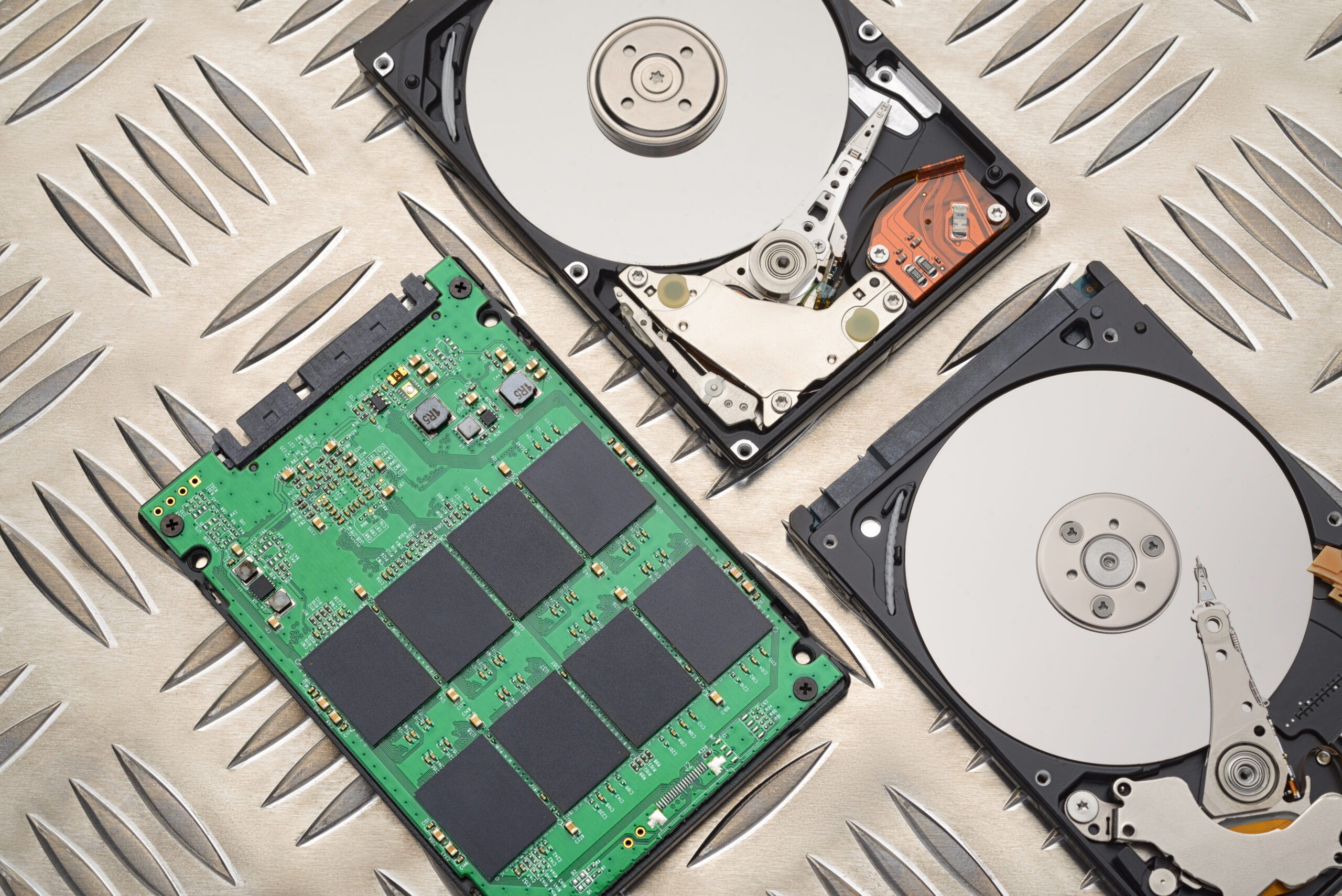
As is obvious, smartphones need plenty of memory in order to function properly and efficiently. In smartphones, RAM memory plays an important role since it allows data access quickly and effectively. Concerning storage, nowadays, smartphones employ flash-based memory systems, which save data permanently.
It should be mentioned that memory storage capacities of smartphones affect considerably their performance. Therefore, in order to ensure effective functioning of smartphones, manufacturers use various solutions such as memory management and data compression.
Connectivity: The Science of Communication
In addition to advanced processors, storage, and memory, smartphones use many connectivity technologies such as Wi-Fi, Bluetooth, and cellular networks in order to connect with external devices and access the Internet. All these connections work thanks to radio waves that transfer data between devices. When a smartphone connects with Wi-Fi, it uses a radio frequency (RF) signal that helps to transfer data.
As is already mentioned, there are always new trends that appear in the market of technological innovations and now we can observe many innovations, for instance, development of 5G technologies allows achieving much higher speeds when using wireless connections.
Conclusion and Future Developments
Thus, we can conclude that smartphone technology consists of many advanced parts such as display, processor, memory, and storage. There are different mechanisms working inside smartphones, which enable efficient functioning and performance. We should expect new exciting features in upcoming models of smartphones. If you want to learn more about them, then it would be good to follow experts.