
Since the existence of humans on our planet, rainbows have remained one of the most fascinating subjects of admiration and exploration. Many hypotheses concerning the origins of this natural miracle have been elaborated throughout centuries. Some of them were truly amusing if not weird – but as it turns out, the reality is even more surprising, although maybe not as spectacular as rainbows themselves. Below we will try to discuss the scientific aspects of this wonderful phenomenon.
How Does a Rainbow Form?
The very first point worth making is that the rainbow is nothing else than a spectrum of sunlight being refracted via atmospheric moisture. Hence, rainbows appear due to sunlight traveling through drops of water floating freely in the atmosphere. They may be liquid droplets or even vapor, depending on weather conditions.
What Is Dispersion?
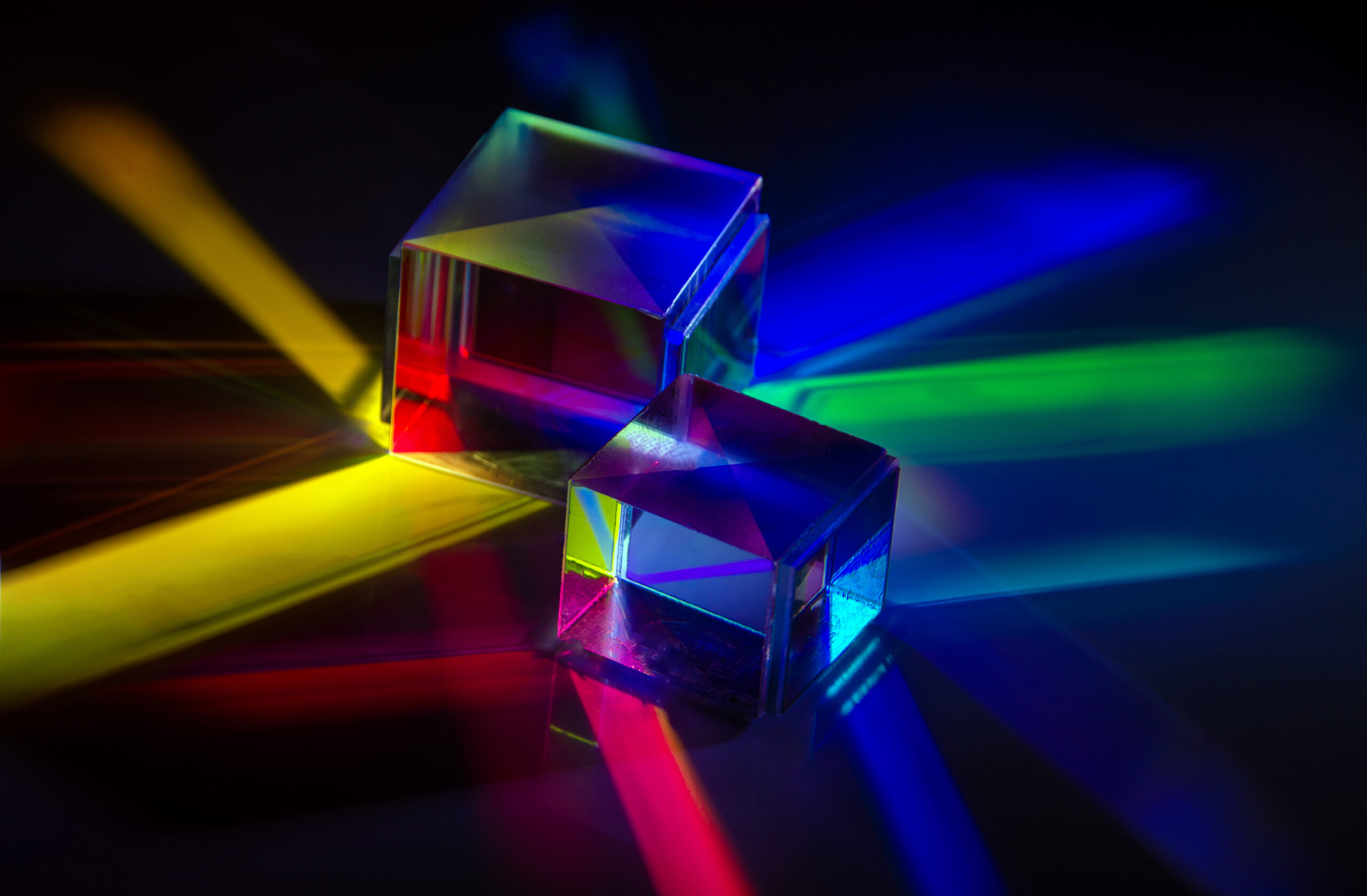
As we have already mentioned above, the rainbow’s light pattern should undergo certain changes before forming the rainbow. The process in question refers to the phenomenon known as dispersion and is based on the unique features of different colors in the spectrum. Indeed, light propagates in waves, each wave having unique properties.
Atmospheric Conditions That Contribute To Rainbow Creation
Talking about the wave-related specifics, we need to elaborate more on the impact made by our planet’s atmosphere on rainbows. So while we could say that a rainbow appears as the result of passing light through a prism, we need to pay special attention to how our atmosphere affects the process of creating rainbows.
What Is Rayleigh Scattering?
Besides dispersion properties allowing separating various colors in the spectrum, another phenomenon related to rainbows is the one discovered by a British physicist named Lord Rayleigh. Known as Rayleigh scattering, it denotes the effect caused by interactions between light and the elements of our atmosphere, thus leading to the scattering of light beams.
The Optimal Sun and Viewer Angle For Creating Rainbows
Among other aspects impacting rainbows formation, we should mention the position of the sun relative to the viewer. As we have said earlier, for a rainbow to become visible, the sun should be positioned at the back of the person. Additionally, a perfect rainbow occurs when the sun is positioned at the 42-degree angle.
Primary And Secondary Rainbows: Differences
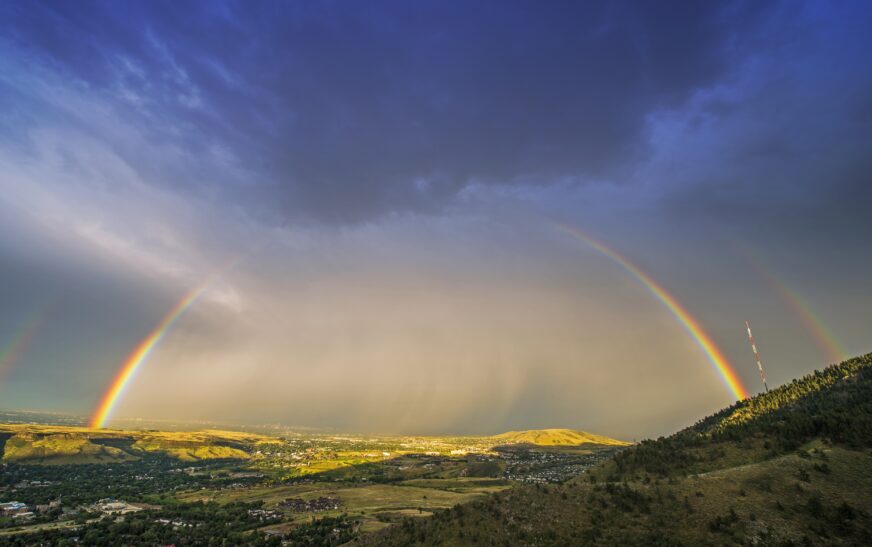
If speaking of rainbows’ types, we could single out two main ones: primary and secondary. The former type of rainbow is generally understood by everyone as the bright colorful arc we see when we observe it. The latter is less visible and appears outside the primary rainbow, although occasionally double rainbows could be seen.
The Ecological Role of Rainbow
Notwithstanding the fact that our current focus is on rainbows’ scientific aspect, it would be fair not to overlook its ecological side. Indeed, rainbow may occur virtually anywhere on earth where conditions are favorable to its appearance. Depending on location and weather, rainbows become the source of inspiration for artistic pieces.
Colors of Rainbow Explained
Without any doubt, the color palette used by rainbows deserves particular attention. As usual, we remember all colors composing the spectrum of light by using the acronym ROYGBIV. Hence, rainbow consists of red, orange, yellow, green, blue, indigo and violet. Notably, all these colors move at different velocities within the arc.
Cultural Significance of Rainbows: Various Interpretations
In addition to the scientific significance discussed above, rainbows occupy an equally important place in the culture of various civilizations. As for ancient Greek civilization, the rainbow symbolized Gods’ promise not to destroy mankind with floods anymore. As a consequence, this symbol stood for luck and happiness. In modern culture, rainbows refer to the LGBTQ+ community.
Future Research Trends
Finally, one may suggest that the further development of rainbow studies will bring many exciting things to this field. With the help of modern technologies, we can study the nature of rainbows in greater detail, including capturing patterns of colors moving inside arcs.