

How to Understand the Science of Static Electricity

Static electricity has been with us for centuries, and yet most people lack an adequate understanding of its scientific principles. The sudden shock you get...

How to Understand the Water Cycle Easily
The water cycle, also known as the hydrological cycle, is the constant cycle of water between oceans, atmosphere, and land. As a natural phenomenon, the...

How to Understand Why the Sky Changes Colors
There are many colors in the sky above us; sometimes they are yellow and sometimes – purple. It may seem that these colors appear in...

How to Build a Simple Robot at Home
One of the fun things people can do is build robots in their homes. Robots can be simple or complex machines designed for different purposes...

How to Build a Simple Volcano Experiment
Volcanic eruptions might remind one of the impressive and terrifying power of Mother Nature. These natural phenomena are usually associated with the formation of mountain...

How to Understand the Science Behind Smartphones
Nowadays, smartphones have become an important part of many people’s lives and they are used in everyday routine for communicating, working, surfing the Internet, and...

How to Understand Photosynthesis Step by Step
Photosynthesis is one of the most critical processes on our planet; nevertheless, not many people are familiar with how photosynthesis works. Being aware of the...
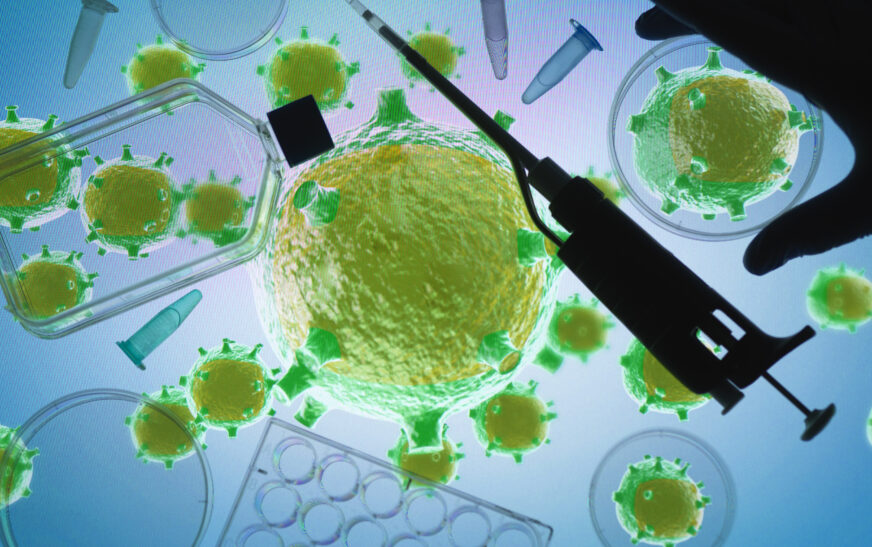
How to Understand the Science Behind Vaccines
Today, vaccines are considered one of the greatest achievements of modern medicine because vaccines have helped save millions of lives worldwide. However, the science behind...

How to Understand Quantum Physics Without Getting Confused
Quantum physics sounds intimidating for everyone because studying it looks challenging and boring. In reality, however, one can easily understand this fascinating science by following...
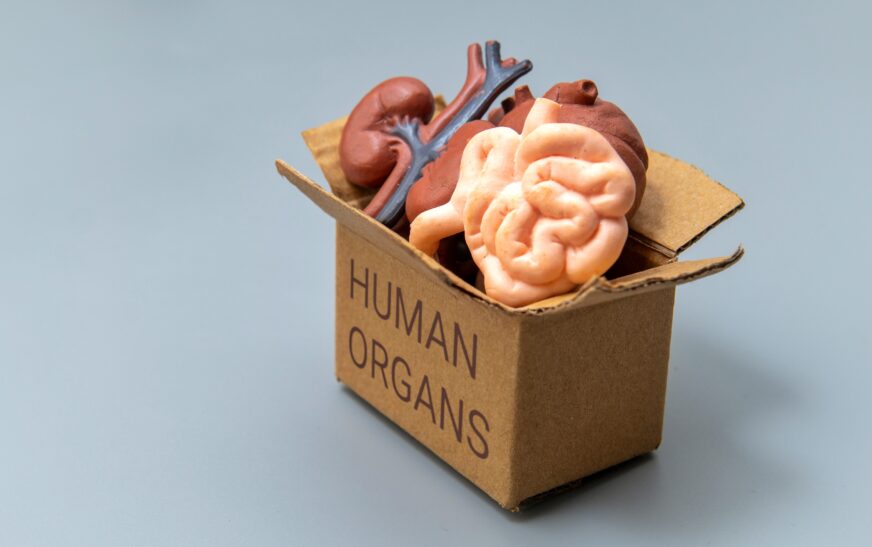
How to Understand the Science of Artificial Organs
In the world of artificial organs, there have been many innovations in the last few decades. The goal of researchers in artificial organs is to...
About Me
Hello! I’m Pritam Y. Lim
I’m a passionate blogger and content creator behind Orange Snake How-To Website. I enjoy sharing helpful tutorials, practical tips, and easy step-by-step guides that help people solve everyday problems and learn new things online.