
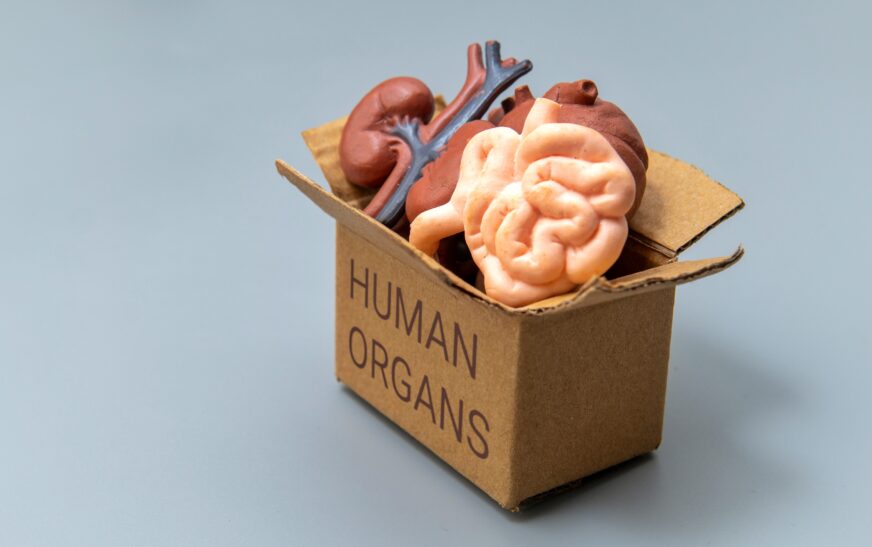
In the world of artificial organs, there have been many innovations in the last few decades. The goal of researchers in artificial organs is to help people by developing functional implants that can restore normal bodily processes that were interrupted because of some diseases. Today, scientists are working on various types of organs, from simple heart valves to sophisticated kidney transplants. To achieve their goal, it is necessary to learn the science behind artificial organs.
Fundamentals of Artificial Organs An artificial organ is a device that can mimic the physiological functionality of natural organs. This implies a need for a precise replication of the biological systems, materials, and mechanisms. Therefore, it becomes important to understand the principles behind the functioning of natural organs to make a successful replica. There is a variety of materials used for making artificial organs. They include synthetic polymers, metals, and ceramics. Such materials can be manipulated to exhibit specific characteristics needed for interaction with other components of an organism.
The most challenging aspect of making artificial organs is integration into the body’s physiology. This means that it is necessary to replicate all biological processes occurring in the natural organ. Artificial hearts and kidneys are two perfect examples of how artificial organs can work inside the body. Scientists succeeded in making a heart valve that can operate under high pressure, while artificial kidneys can help with blood filtration by mimicking a structure of a natural organ.
Interaction with Body Tissues Biomaterials play a significant role in designing artificial organs since they should interact with body tissues. Researchers aim at using biomaterials that can promote cell growth, reduce inflammation, or stimulate tissue regeneration. There are many types of biomaterials used today. They include polymer scaffolds, nanoparticles, and hydrogels that can serve as matrices for growing new tissues. These materials allow researchers to create a specific environment for tissue regrowth.
Scientists use a technique called tissue engineering when they create new tissues that can replace or repair old ones. Using different types of biomaterials, it becomes possible to regenerate tissues in vivo. For example, researchers can develop artificial skin that helps to grow skin grafts for healing burns. Moreover, tissue engineering can be useful in creating muscle, bone, and skin grafts. Therefore, this technique plays an important role in modern medicine.
Role of Nanotechnology One of the recent trends in the area of artificial organs is nanotechnology. This technology can help to produce nanomaterials with specific characteristics to develop more sophisticated artificial organs. For example, researchers are creating nanoscale scaffolds to grow artificial tissues such as muscles. These tissues are able to perform the same functions as natural muscles, helping people recover after surgery.
Moreover, scientists are creating biosensors on the nanoscale to monitor the functioning of artificial organs. These biosensors can analyze a wide range of variables such as temperature, pH, or pressure. Using this information, scientists will be able to optimize the functioning of artificial organs.
Future Prospects The future of artificial organs looks promising since there will be new breakthroughs in creating more functional implants. Researchers are going to continue studying how artificial organs can be created. Moreover, the development of artificial organs will go hand in hand with machine learning and artificial intelligence that may improve their performance. In addition, scientists will use 3D printing technologies to create complex organs, allowing them to become highly customizable.
Current Regulatory Framework and Clinical Trials There are many regulatory frameworks related to artificial organs. These frameworks require researchers to follow the existing laws, guidelines, and regulations. It makes the development process long and complicated since researchers need to overcome many obstacles. In addition, clinical trials pose another challenge for researchers. First, it is difficult to find participants for the study. Moreover, ethical issues arise during conducting a trial, which makes the development process slower.
Conclusion and Call to Action Artificial organs represent a complex system consisting of several components interacting with one another. Researchers have to consider all aspects of their functioning and physiology to create artificial organs with desirable properties. Today, scientists have learned a lot about artificial organs. We can expect new achievements in this area in the coming decades. If you would like to start your career in this sphere, take advantage of the opportunity and learn more about biomaterials, tissue engineering, or nanotechnology.