
Music has been part of human culture for centuries now, as it is considered a way for communication, expressions, and even a bond. Every culture in the world has its own music tradition, and every country has specific instruments and songs that define it. Therefore, understanding cultural music traditions is important as it helps us learn about the traditions, beliefs, and experiences of our ancestors.
Cultural Music Traditions: History and Origins
To get familiar with cultural music traditions, you should know about the history behind them. Often, music was used by people in spiritual ceremonies and various religious traditions. Thus, for many African nations, music played an important part in spirituality, and different types of beats helped people communicate with their deities.
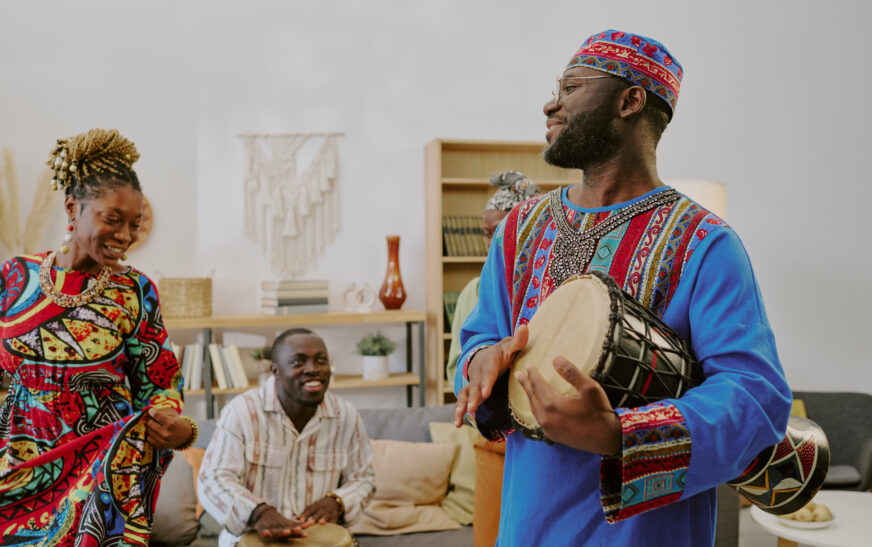
For instance, djembe is a rope-tuned goblet drum that is a typical West African instrument. It can be found in the music of almost all African countries, and in many countries; it is used in spiritual initiation ceremonies.
Similarly, traditional Chinese music has also been around for centuries and is known for its rich symbolism and interesting melodies. Erhu is a two-stringed bowed instrument used in traditional Chinese orchestras. Another traditional instrument used by the Chinese is guqin – an ancient instrument which was a predecessor of many stringed instruments.
Instrumental Aspect of Cultural Music Traditions
In general, instruments used in certain cultural music traditions vary depending on location, environment, and available materials. Thus, the choice of instruments is unique for each culture, as well as their use in music and ceremonies.
For instance, in Latin American countries, marimba is one of the most common traditional instruments – it is usually made out of wood or other material and has a deep, low tone. Shakuhachi is a typical Japanese instrument that is a type of flute made out of bamboo – it is usually associated with spiritual experiences.
Moreover, guqin is a seven-stringed instrument typical for China. This instrument appeared in China more than 3,000 years ago and since then became a symbol of cultural traditions of this country.
Music Power: How Music Affects Us in Culture
It is clear that in every culture, music played an important role for centuries. In addition to entertainment purposes, it could also help people communicate and connect with their fellow citizens in various ways.
For instance, ballads are one of the types of music used in different cultures to narrate stories. Moreover, in African American music, there are specific types of music dedicated to telling stories and describing the experience of African Americans. For example, spirituals appeared during slavery and represented people’s hopes for freedom, while blues described the hardships of living during this period.
Thus, in every culture, people tried using music in different ways to express themselves and communicate with each other.
Preservation of Cultural Music Traditions
Nowadays, there are fewer opportunities for us to hear authentic traditional music and see how these performances look like as many traditional music types have already disappeared because of globalization and commercialization. However, there are some efforts aimed at preservation of traditional music types and helping them reach their audience.
One of them is the Smithsonian Folklife Festival which takes place every year in Washington DC and features music and dances of numerous countries. Furthermore, there is also a database of traditional music called World Music Archives where one can find many songs and even listen to them.
Exploring Cultural Music Traditions
Thus, now when you are familiar with cultural music traditions, you may try and explore them on your own. To do this, you can choose one of the following options:
* Find music festivals or concerts where one can hear different kinds of traditional music;
* Attend music schools or take classes dedicated to learning how to play traditional instruments;
* Download music apps or watch videos of various performances online;
* Visit local music schools or join communities of those who practice music;
* Donate money to organizations aimed at preserving cultural music tradition