

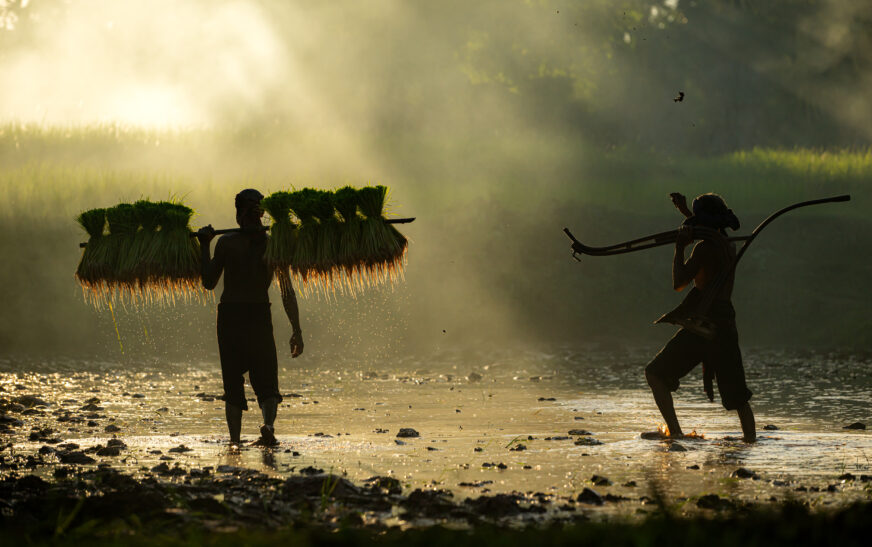
Introduction India is a country of diverse ethnic groups and cultures. Besides the mainstream Indian society, there are many tribes in different parts of the country. Some of the tribes live in isolation while others have come under the impact of modernization but have still managed to preserve their traditional culture. For example, tribes of the Andaman Islands differ dramatically from tribes of the Eastern Ghats. Nevertheless, visiting tribes of India can become an interesting experience for tourists provided that they prepare themselves carefully.
India’s Tribal Cultures
There are many tribes in India, and the number of people who belong to Scheduled Tribes (STs) exceeds 400 million. According to the constitution of India, there are about 700 STs which include primitive tribes, particularly vulnerable tribal groups, and other backward tribes. India’s tribal cultures are very diverse and each of them has its own features.
It should be noted that the tribes inhabit different parts of India including both the mainland and islands. For instance, the tribes of Andaman and Nicobar Islands include the Sentinelese, the Jarawa, the Great Andamanese, among others. The latter lived in isolation until recent times and their traditions and customs remain a mystery. The tribes of the Eastern Ghats are also very interesting and unique. Examples include the Kondh, the Saora, the Gadaba, among others. These tribes have retained their traditions and peculiarities despite modernization.
Planning Your Tribal Culture Trip
First, it is necessary to determine the regions where tribes reside. The tribes are spread throughout India and each of the states and union territories has something to offer. Moreover, it is necessary to take into account climatic and environmental conditions of different regions. It may be necessary to purchase certain clothes or special equipment to ensure safety.
As to the time of year, one should remember that the best periods to visit tribal regions are winter months (October-February). During this period, there is less rain, and the climate is relatively mild. Nevertheless, it is necessary to remember that it is also the peak season for tourists, so one can expect overcrowding and high prices.
Safety Considerations
Safety is an important factor in exploring tribal cultures in India. First, it is necessary to be sure that there are no threats to safety as far as tribes’ regions are concerned. Second, it is important to be ready to cope with possible problems connected with weather, road quality, and so on. Third, one should be aware that some tribes are sensitive to foreigners’ presence, so travelers need to demonstrate respect.
Responsible Tourism
Responsible tourism is another vital consideration because some tour operators are irresponsible and ignore tribes’ peculiarities. It is better to find a responsible company which offers tourists to stay with local tribes. This type of arrangement allows one to get acquainted with a tribe’s way of life and support local economy.
However, there are disadvantages as well. First, language problems are inevitable when staying with natives as most of them cannot speak English. Second, cultural gap is quite likely even when communicating with representatives of one’s own nationality.
Cultural Immersion
Cultural immersion means participation in local events. Tourists can attend festivals and rituals, join the ceremony of marriage or funerals, learn local languages, and do much more. In order to become immersed in a culture of a tribe, one needs to demonstrate patience and respect.
Moreover, travelers can participate in various activities offered by tour operators. For instance, one can attend dancing performance, singing concerts, handicrafts workshops, among others. In addition, tourists can ask local experts about a tribe’s history and mythology.
Learning Tribal Arts and Crafts
Most tribes of India are known for their artistic achievements. People can be taught how to create traditional handicrafts, such as woodcarving, pottery, or weaving. Tourists should attend special workshops organized by tour operators to master skills.
Travelers can buy handicrafts made by tribes in their villages or at fairs. Additionally, one can learn traditional music and dances of the tribes.
Food and Cuisine
It should be noted that Indian tribes pay attention to cuisine. Tourists can attend lessons on how to cook traditional foods, participate in culinary festivals, and taste local dishes. There are many unique dishes to try and much information to learn as far as local food habits are concerned.
Conclusion Exploring tribal cultures of India can turn out to be a fascinating experience for many. However, tourists should prepare themselves in advance. It is necessary to find a reputable tour operator, select appropriate dates, and take into consideration safety issues. Furthermore, tourists should remember that tribes have their own peculiarities and customs, which they need to respect.