
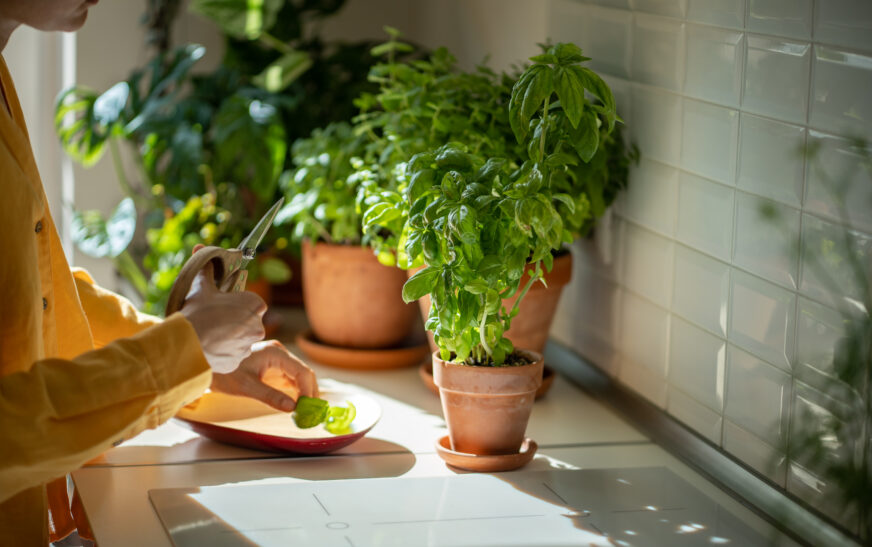
The process of growing herbs in your kitchen gives you access to an unlimited number of tasty dishes that contain a huge variety of herbs, which can be found only in a kitchen garden. In addition to the benefit provided by herbs, they can clean the air in your kitchen and even influence your psychological condition positively. Thus, with some skills in cultivation and proper organization of your kitchen garden, you will have many advantages from this hobby.
Choosing Herbs
First of all, you should consider which herbs are most popular and used regularly in your cooking process. Such common herbs as basil, rosemary, thyme, and parsley should be included in your collection. However, if you want to have some variety in your garden, there is nothing easier than choosing other kinds of herbs to grow. Lemongrass, chives, or mint will be perfect for you if you are a beginner in cultivating herbs. Also, pay attention to herbs’ specific needs since they are different regarding the required conditions. For example, such herbs as basil and mint need warm temperature and humidity while rosemary and thyme like coolness and dry soil.
Preparing Kitchen
After choosing the herbs that you will cultivate in your kitchen garden, you need to make some preparations for this activity. First of all, choose the appropriate place in the kitchen where your herbs will be cultivated. It would be best to select a place that has enough light, for instance, a place close to the kitchen window. Moreover, try to avoid those places where water can collect because this circumstance may contribute to developing some fungal diseases among plants. Thus, it would be reasonable to create favorable conditions for growing herbs.
Choosing Pots and Soil
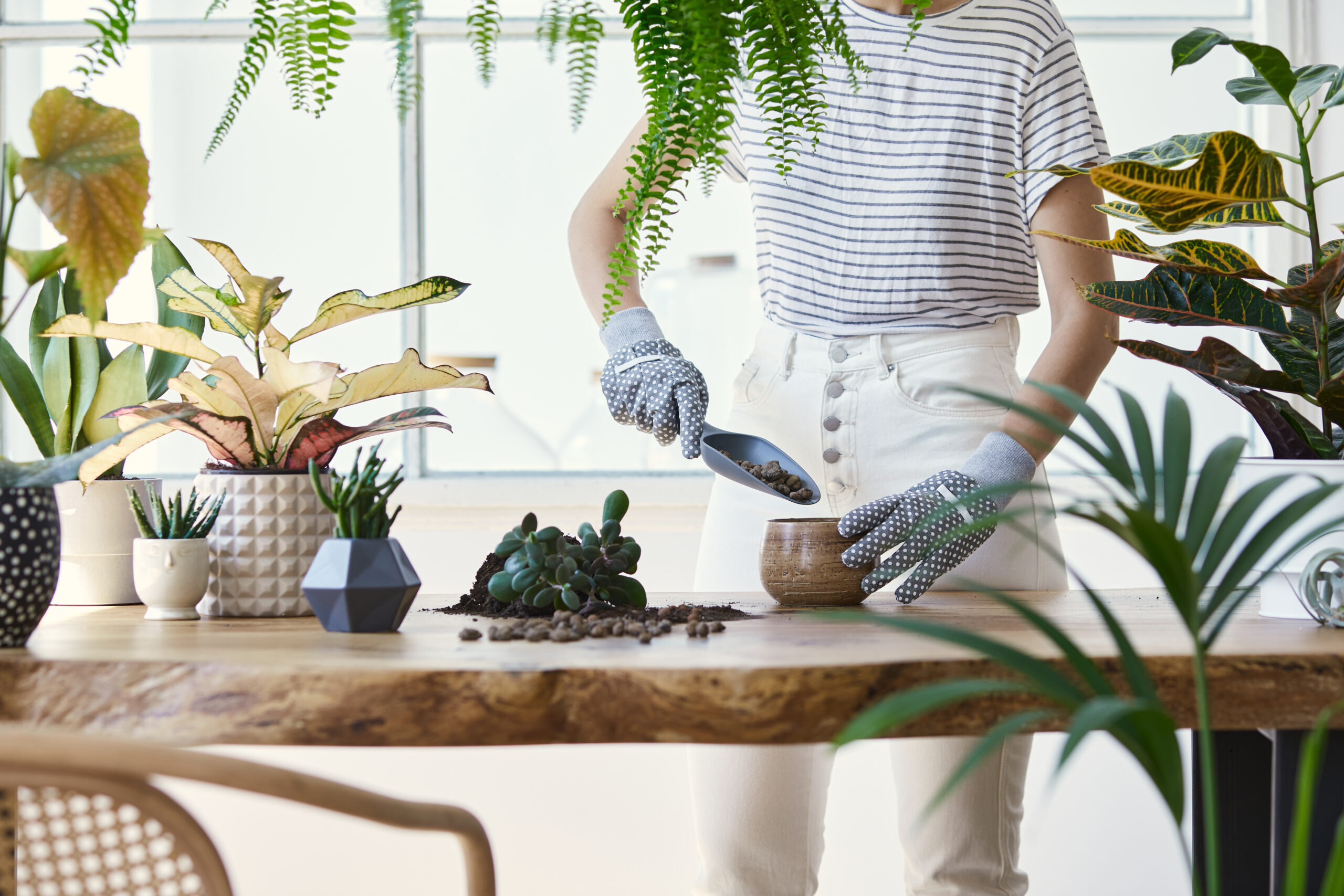
In order to grow herbs successfully, it is necessary to plant them properly. Therefore, it would be helpful for you to consider the requirements for containers that will host your garden. The soil in pots should be drained, so the pots must include enough drainage holes. As for the soil, it is necessary to find high-quality potting soil that will meet all conditions of your future plants. The pots’ size may vary; however, it is recommended to choose those with a depth of 6-8 inches.
Watering and Planting Herbs
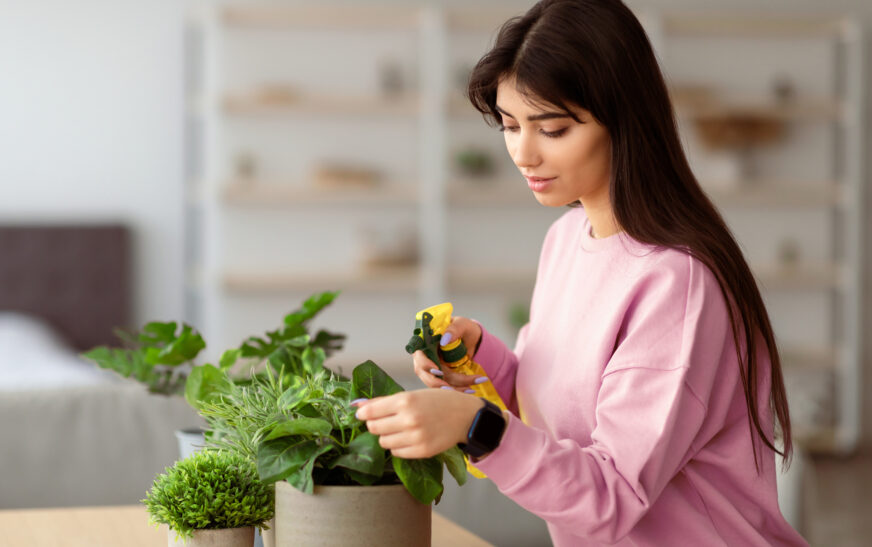
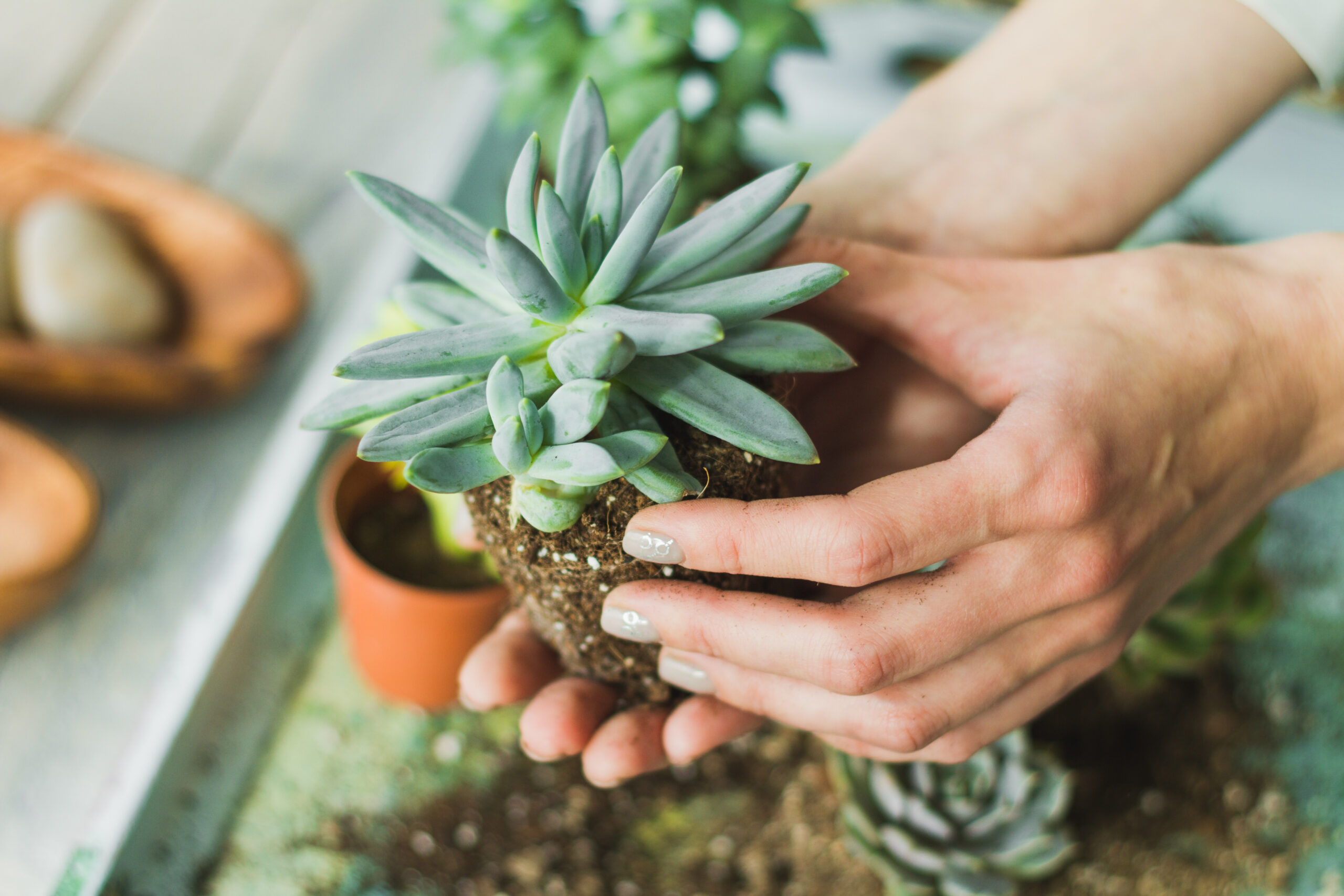
In order to plant herbs, you need to remove them carefully from previous pots and plant in new ones. Moreover, after planting, it is necessary to water the herbs thoroughly and continue to provide them with water depending on soil moisture. When checking soil moisture, you can stick your finger in the soil up to the first joint to see whether watering is needed now or not.
Harvesting and Pruning
In addition, herbs should be harvested regularly because this process stimulates the growth of new shoots. It is better to pinch flower buds as soon as they become visible because this action will direct the plant’s energy towards growth of leaves. Moreover, trimming the stems promotes branchiness of plants. Harvesting should be done in the early morning when the herbs are dry.
Solving Problems with Plants
Unfortunately, indoor herbs gardeners face numerous problems that may arise during herbs’ development. For instance, pests such as spider mites, mealybugs, and aphids can be eliminated with the help of neem oil. In addition, fungal diseases are caused by insufficient ventilation. Nutrient deficiency is another issue that may appear among indoor herbs.
Propagation and Transplantation of Herbs
If you feel that the herbs cultivated by you have grown, you should think about how you can expand your herb garden. First of all, you can propagate them either by stem or leaf cuttings. You just need to take some cuttings of herbs, remove the lowest leaves, and put in a pot filled with well-drained soil.
Conclusion
To sum up, herbs cultivated in your kitchen can provide you with a lot of useful products for your daily food preparation as well as pleasant feelings due to their positive effect on mood. Thus, following these tips and advice, you will be able to have your herb garden easily.