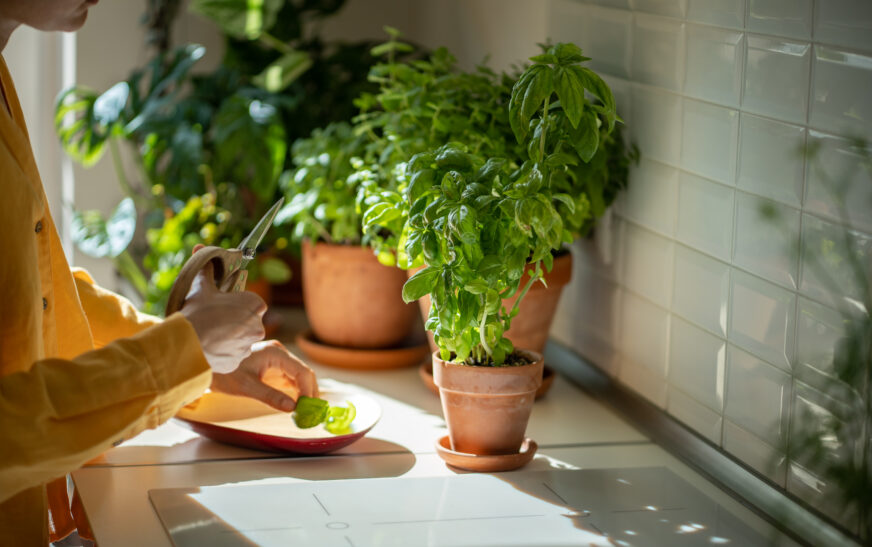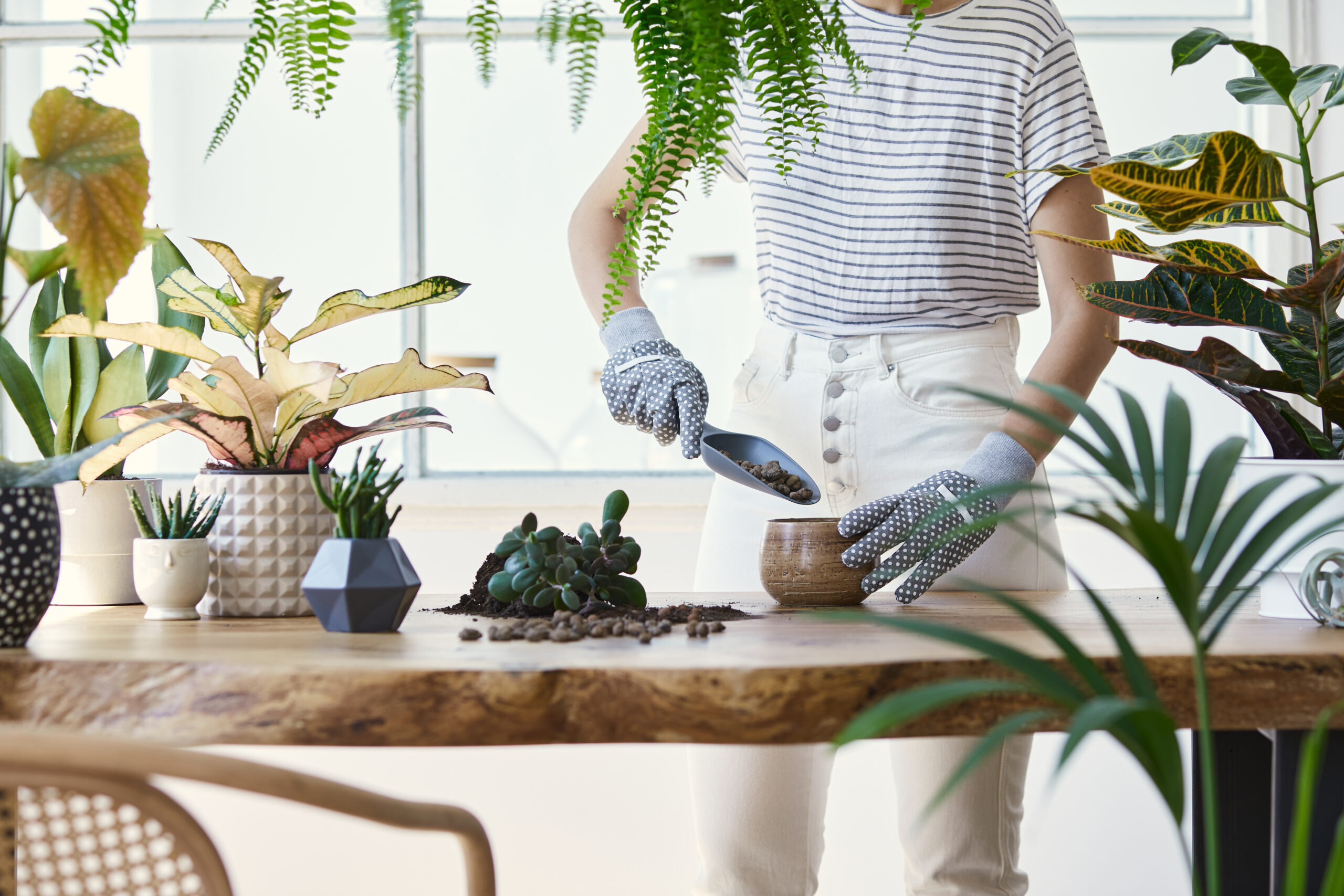

Indoor plants have become quite a trend these days. However, many people who do not live in sunny apartments have no idea how to grow indoor plants in conditions without sunlight. Yet, there is a chance to have lush greenery in the house using proper techniques and certain plants. Therefore, the current article is going to discuss the tips and tricks to successfully grow indoor plants without sunlight.
Planting indoor plants without the sunlight entails a series of considerations regarding the type of plants, the proper lighting, watering, and fertilizing. By taking care of your plants carefully, you will be able to create a flourishing and vivid indoor garden that can be enjoyed even if you live in a small and dark apartment.
Choosing the Best Indoor Plants for Non-Sunny Conditions
To successfully plant and raise indoor plants, the selection of plants plays an integral part. In terms of indoor planting, some plants can tolerate the low light condition better than the others. The list of good non-sunny plants includes Chinese Evergreen, Pothos, and the Snake Plant. Notably, these plants are quite resistant to tough conditions and rather easy to maintain.
It is worth noting that when choosing plants to plant indoors, it is necessary to pay particular attention to the level of light the plants need to prosper. Thus, while succulents and orchids cannot flourish without the sunlight, Peace Lily can survive in very dimly lit rooms.
Lighting Tips for Indoor Gardening
While it would be ideal to provide your indoor plants with sufficient natural lighting, it does not seem realistic for people living in non-sunny locations. Therefore, in case of indoor planting, a person should purchase the artificial lighting system for indoor plants. It is recommended to use an LED grow light that generates little heat and consumes relatively low energy.
When purchasing an artificial lighting system, a person should consider the light intensity required for specific types of indoor plants. For instance, it is going to be required more light for plants like lettuce and kale than for plants such as African Violets.
Tips for Watering and Fertilizing Indoor Plants
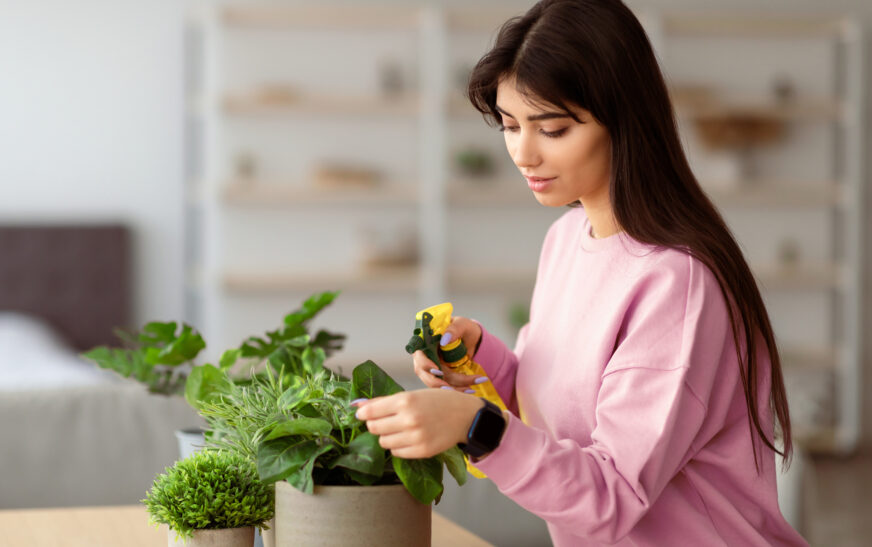
One of the key things to consider when tending to indoor plants is watering. Overwatering can lead to root rot and kill a plant. Hence, it is advised to check if the soil is dry or not. When watering indoor plants, a person needs to stick a finger in the soil up to the first knuckle. If the soil feels dry, then, it is time for watering.
Concerning fertilizing, it is essential to remember about providing the plants with a balanced fertilizer that contains equal amounts of nitrogen, phosphorus, and potassium. In addition, it should be noted that fertilization in excess leads to burning plant’s roots.
The next point is related to watering. When it comes to watering plants, it is important to use a watering can with a long spout. This tool is going to prevent plants from overwatering.
Propagating Indoor Plants and Proper Pruning
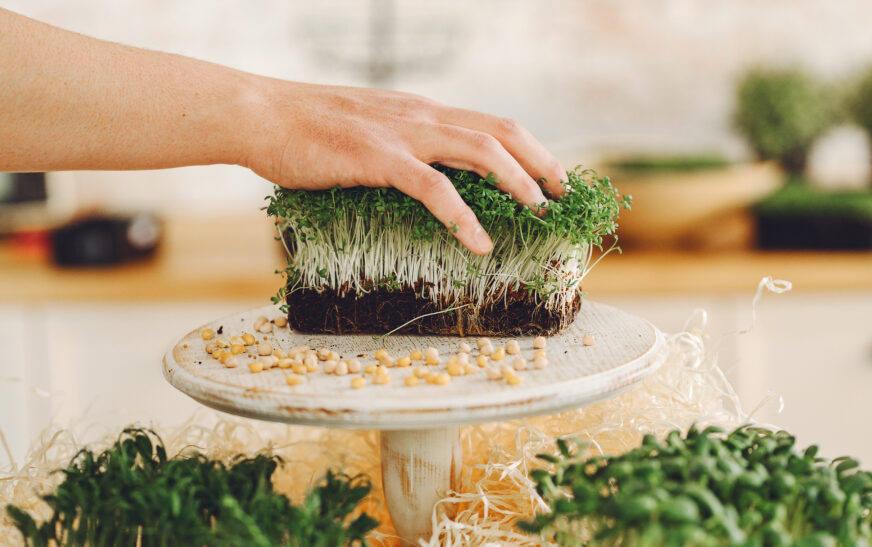
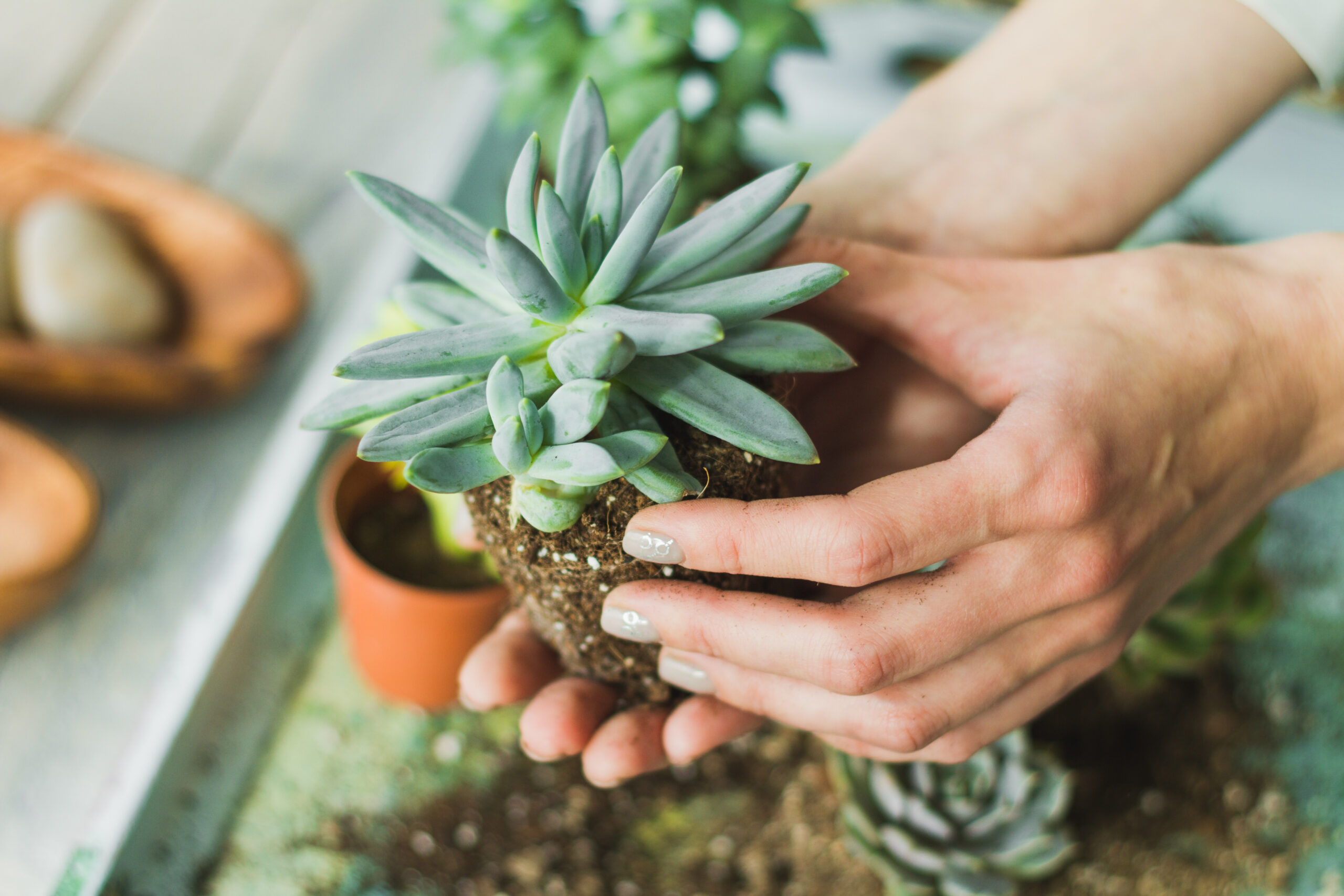
Propagation is a process of making new plants using existing ones through division or cuttings. It is a nice idea when it comes to sharing indoor plants and growing more greenery in the house. Hence, it is necessary to consider several issues associated with propagation.
Firstly, one should make sure that the tools used for propagation are sterile. Furthermore, it is advised to use a propagation tray to facilitate the growing of newly made plants. Moreover, one should consider appropriate pruning to keep plants neat. This is particularly applicable to plants requiring regular pruning, like Bonsai trees.
Overcoming Difficulties When Growing Indoor Plants
Even though indoor planting is relatively easy and straightforward, sometimes a gardener faces numerous difficulties associated with it. These problems can be overcome using certain tips and tricks described below.
Thus, the most common problem associated with indoor growing is pest infestation caused by improper watering or lack of air circulation. To avoid pests, it is advisable to use humidifiers to maintain proper humidity and air movement.
Moreover, another problem that may occur when growing indoor plants is related to nutrient deficiency. To avoid this trouble, it is necessary to feed your plants regularly with a good fertilizer.
Suggestions for Creating an Indoor Garden
To ensure that indoor plants flourish in non-sunny conditions, a person should take care of his or her garden. To this end, it is necessary to pay attention to the appropriate choice of the plants and proper lighting. Apart from this, it is worth paying attention to temperature and humidity in the house because they are extremely vital when it comes to growing indoor plants.