
Did you ever wish to improve your critical thinking skills, explore scientific topics and express your creativity? If yes, then you can achieve all these aims via making DIY science projects. The truth is that there are numerous ways to design an engaging science project – whether it is an investigation, experimentation, analysis of scientific phenomena, construction of a model and others. Regardless of your age or academic level, it does not matter since there are numerous interesting projects which can help you gain new knowledge in various scientific disciplines. Moreover, you can impress your fellow students and professors with creative DIY science projects.
How to Make a DIY Science Project?
DIY science projects can sometimes be very time-consuming since you need to spend lots of time on researching your topic, gathering required materials, conducting experiments, analyzing obtained data and creating a presentation. Thus, the first thing you need to do is to allocate sufficient time to work with your project. Furthermore, you need to be prepared to engage into creative work and critical thinking.
Select a Project
First of all, you need to select a project you are going to implement. Remember that this task may be very time-consuming since you will need to choose the project depending on your skills and interests. For instance, you may decide to conduct an experiment regarding one of the scientific phenomena or processes.
Gathering Materials
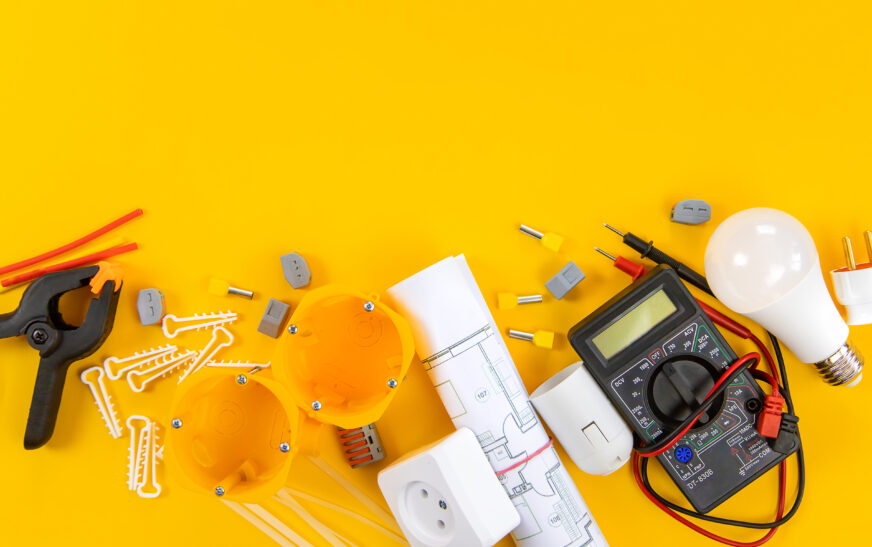
The next step involves gathering necessary materials for your DIY science project. First of all, keep in mind that it can take lots of time since you may require specific equipment. Moreover, you will probably need to visit a science supplies store more than once to collect all needed materials. Also, you may find it very hard to get necessary materials for your project.
Conducting Experimentations and Investigations
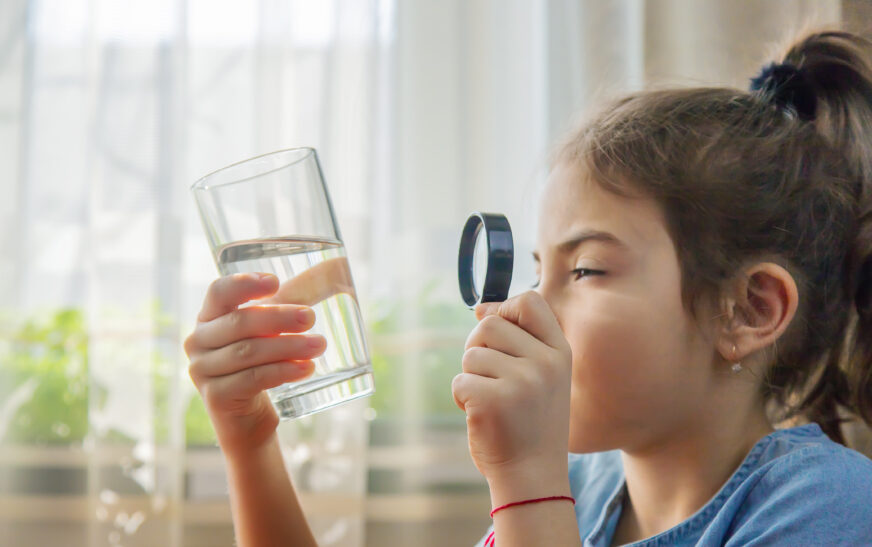
After collecting all required materials, it is important to conduct experimentations and investigations. You will need to practice critical thinking skills including analysis of collected data, its interpretation, and drawing conclusions. In addition, it is important to mention that you will need to perform many experiments and investigations in order to collect sufficient amount of data to draw conclusions. Thus, you should practice your critical thinking skills in order to complete this process properly.
Creating a Presentation
Finally, after completing all previous steps, you will need to create a presentation. Actually, it is important to present obtained results of your scientific investigation as well as provide interpretations and conclusion to this experiment. However, remember that in order to succeed in creating this presentation you need to analyze data, draw conclusions and interpret results – all that will need application of your critical thinking skills.
Tips for Success
If you are ready to apply for a DIY science project, then there are several tips to follow in order to succeed with your task. First of all, you will need to act quickly in order to finish all work with your project before deadline. Then, keep in mind that this work will involve performing creative tasks and using critical thinking skills. Finally, do not forget that you should try to enjoy the process of creating a DIY science project.
Conclusion
DIY science projects are really interesting and helpful. They not only help us learn something new in terms of science but also teach us how to use critical thinking skills. Moreover, a DIY science project gives us an opportunity to showcase our creative skills. Thus, if you want to learn something new and express your creativity – try a DIY science project!