

Many kids believe that science can be boring and complicated; however, science can be very interesting and fun. To create an environment where kids will want to learn something new and become interested in it, science should become fun, entertaining, and exciting. There are many ways to make science fun and accessible for kids, so you can use one or several approaches to inspire your child’s desire for discovering and learning.
Fostering a Love of Science in Children
Science surrounds us all day long, and our children have a natural desire to explore the world around them. Parents and educators should take advantage of it and help their kids foster love for science. One of the best ways to promote such a desire in children is by making science entertaining and fun. For that purpose, you can use different methods.
To illustrate, your kid can learn about physics or chemistry through conducting small experiments at home or participating in school workshops. For example, kids can create a volcano with baking soda and vinegar, or make a funny slime using water and other household products. Moreover, kids will enjoy learning about biology and ecology through their observations of nature in their neighborhood.
Making Science Fun with Experiments
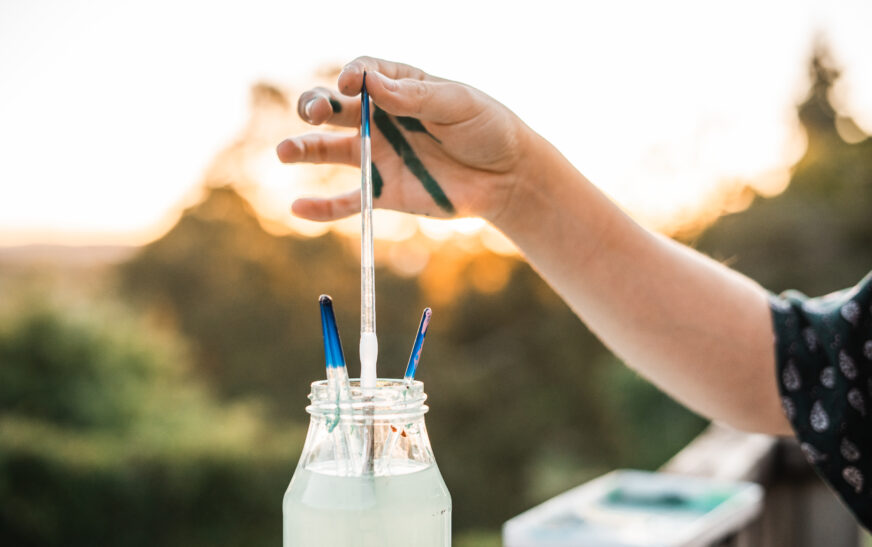
Experiments are an excellent source of enjoyment and engagement when it comes to teaching children science. Kids can conduct experiments using different household items and household chemicals; this will make it easier for them to understand what the science lesson is about. To give some examples of such lessons, you can teach your kids the concept of density using a tall clear jar with different objects in it.
Moreover, Mentos and Diet Coke reaction may demonstrate to kids the importance of following safety rules during experiments. This lesson will teach them that explosions do happen in real life but can be controlled with proper equipment and knowledge.
Using Games and Interactive Activities
Games are the perfect method to make your children interested in science and help them learn new concepts. Through games, kids can practice various aspects of science and apply it to real-world situations. For instance, kids can learn math and geometry with a set of measuring tape and ruler. Moreover, kids will definitely love Science Scavenger Hunt, during which they can find various scientific concepts and phenomena around their city or town.
Encouraging Curiosity and Exploration
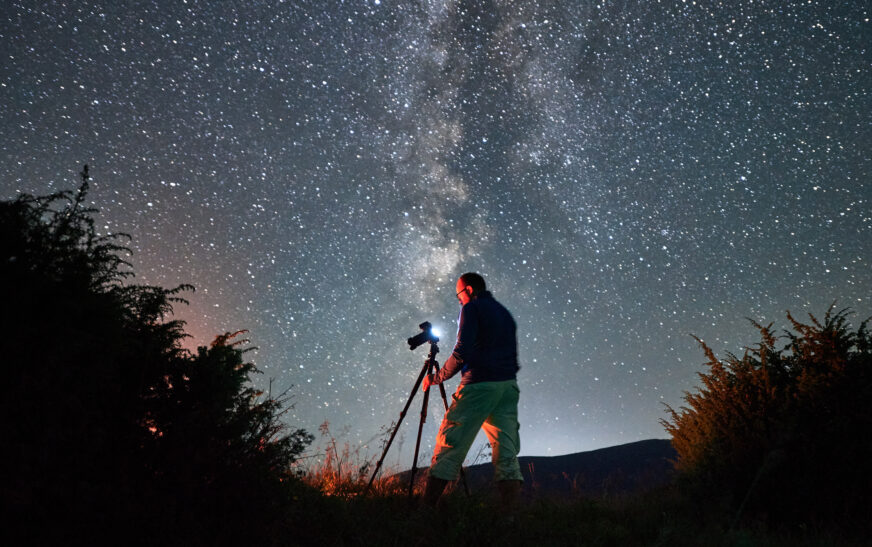
It is crucial to inspire children to discover and investigate anything they see or come up with; thus, helping them satisfy their curiosity. It is necessary to explain kids that they can ask questions and try to find answers themselves. The more your kids are curious, the better they will grasp scientific concepts and principles. To give examples, kids can conduct a star-gazing session to learn about various stars and constellations.
Another idea for learning about astronomy is visiting a planetarium because it will help your kids learn more about planets and galaxies. Moreover, kids can visit science museums that offer different exhibits and interesting demonstrations for children.
Making Science Accessible and Inclusive
It is equally important to ensure that all children feel included and safe to participate in any activities related to science regardless of their background and disability. In particular, you need to create special conditions for people with disabilities to make sure that science will be fun and enjoyable for them. Thus, kids with disabilities can also explore scientific concepts by means of various devices and gadgets.
For example, children who have autism spectrum disorders may find some difficulty in communicating with others; therefore, it is essential to organize some specific classes for them where they will play interesting games and conduct interactive experiments.
Conclusion and Call to Action
As you can see, there are numerous ways to make science interesting, fun, and engaging for your children. You may find ideas for doing experiments and organizing various activities for your children. So, get started with developing a program to teach your kids science!