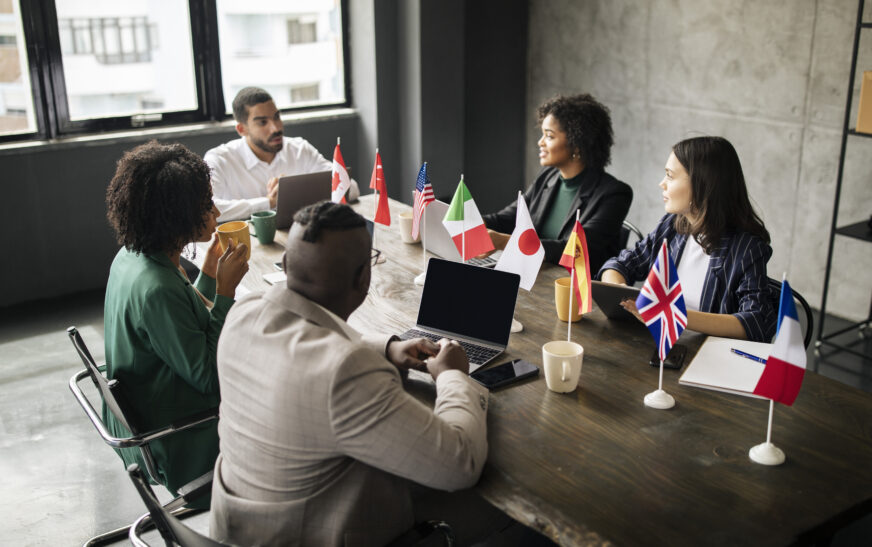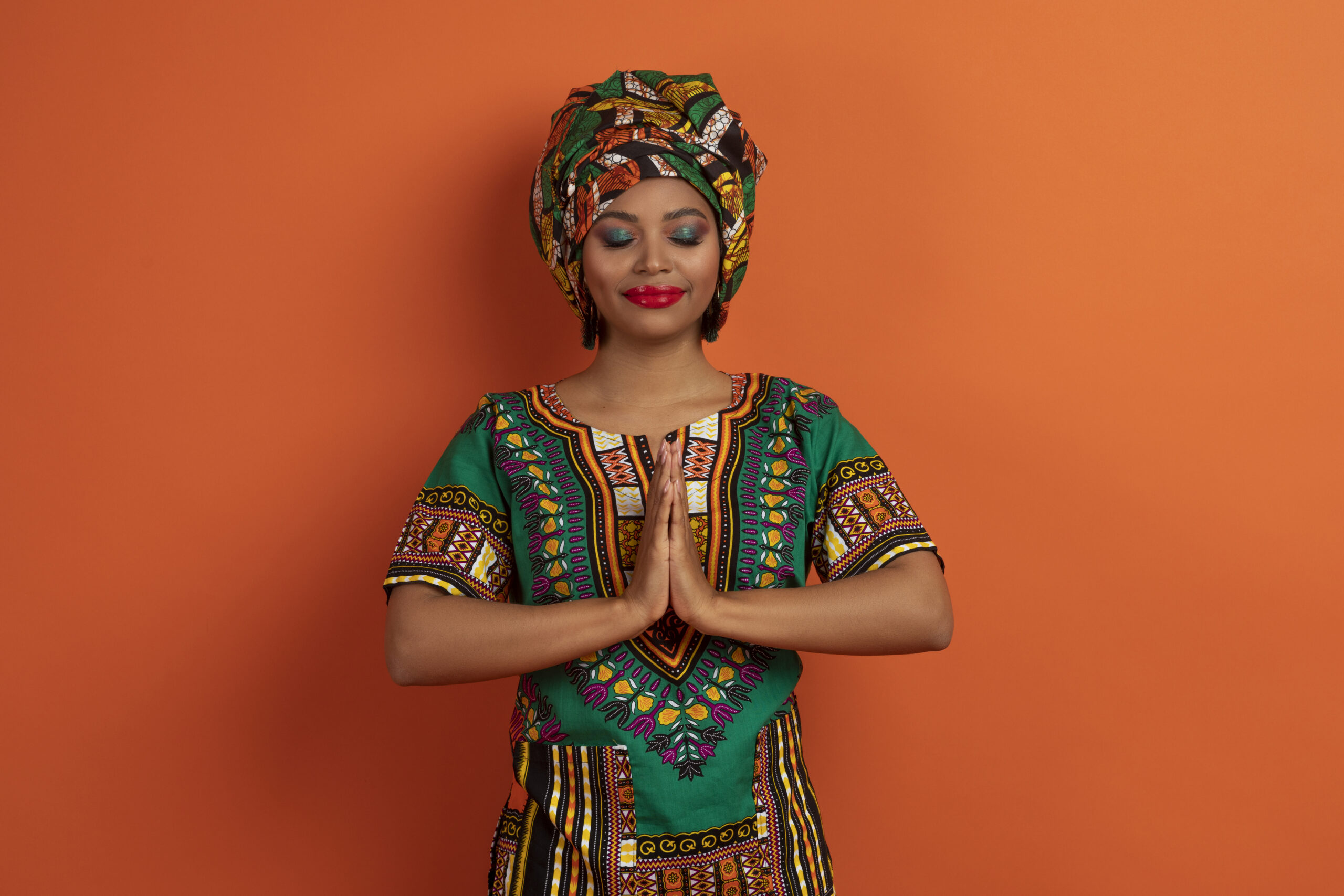


Nowadays, globalization is an inevitable phenomenon that forces people to communicate and interact with representatives of other cultures in their own communities. In one way or another, people face different cultures at home, at work, or even at schools. The lack of understanding of cultural differences can create conflict; however, the presence of such differences can have positive results. By making efforts to discover other cultures and understand them, one can obtain additional experience and enrich their worldview.
Significance of Cultural Differences
It is essential to show appreciation towards cultural differences due to their importance. They are an integral part of diversity that is determined by a history of particular nations or ethnic groups. Culture affects people’s communication style, attitudes towards others’ culture, and thinking in general. Thus, one creates an inclusive atmosphere and shows acceptance of people by respecting cultural differences. This kind of attitude helps to unite people and remove all barriers between them.
In a corporate environment, it is likely to create a positive atmosphere in workplaces and a healthy relationship between management and workers. For example, the freedom of expression contributes greatly to productivity. In schools, this attitude allows children to make friends and communicate with each other regardless of their ethnicity. Cultural differences play an essential role in successful cooperation and interactions between people.
The Influence of Cultural Differences on Communication Styles
Effective communication is an indispensable tool in promoting respect and acceptance of cultural differences. One should know that cultural differences affect the perception of the message by its receiver. Some people find eye contact offensive, and for others, it is rude. The use of humor varies, thus making it inappropriate for people from other cultures. To promote respectful communication, one should be aware of cultural differences and adjust his/her communication style accordingly.
One should try to be more polite or formal towards people from different cultures, thus showing respect to their cultural preferences. Non-verbal communication plays a significant role in effective communication since people should adjust their body language to cultural norms. Finally, the choice of words and avoiding idioms or sarcasm help in delivering the message clearly. The main point in effective communication is flexibility.
Power Dynamics and Its Importance in Respectful Interaction
An essential element of respectful interaction in cultural settings is the power dynamics. While in some cultures, hierarchy and reverence towards elders are important, egalitarian nations are characterized by directness and equality. It is crucial to know about cultural dynamics in order to show respect and avoid offending people. For example, in Africa, greeting and addressing elders formally is a good manner. In the Western culture, however, people prefer directness and egalitarianism. In interactions with representatives of different cultures, one needs to be careful and tactful.
The power dynamics depends on cultural peculiarities and differs significantly among nations and ethnic groups. One needs to take into account other people’s power dynamics and follow their rules. This strategy can help to avoid misunderstandings and ensure success of interactions in the future.
Importance of Participating in Cultural Exchange
Besides showing respect to cultural differences, people should take an active part in cultural exchanges. Participation in cultural events and learning about different foods, beverages, and habits contribute to people’s enrichment significantly. By engaging actively in cultural exchange, one can enrich his/her experience and promote cross-cultural communication.
In modern society where the number of cultural differences increases, cultural exchange becomes a popular trend. It allows people to embrace diversity and participate actively in tolerant communication. Hence, this approach can change society positively and reduce prejudice against representatives of other cultures.
Navigating Cultural Differences in Everyday Settings
Apart from participating in cultural activities or discussions, one can respect and embrace cultural differences in daily settings as well. For example, the use of a person’s title and preference to ask questions about their traditions and customs help a lot in respecting cultural differences. One should take efforts to navigate through cultural differences in order to succeed.
Conclusion
Thus, respecting cultural differences is important for building an inclusive society. One should learn about cultural differences, be aware of cultural nuances, and take an active part in cultural exchange.