
It might seem as if the concept of air pressure has nothing to do with our daily lives. However, without it, we would not feel the lightest breeze or the wind during strong rains and hailstorms. Thus, this phenomenon has always accompanied us but is often overlooked. To learn more about air pressure, it is important to consider its significance and how it influences people and processes around us.
The Basics of Air Pressure First of all, it is important to mention that there are many definitions of air pressure. Some authors call it atmospheric pressure as it is the weight of air in the atmosphere that pushes it towards the Earth’s surface. As a rule, it is caused by gravity that pulls the air molecules in the atmosphere towards the ground. Air pressure at sea level is approximately 1013 millibars (mbar). However, air pressure changes may occur depending on such aspects as weather patterns and climate.
When air pressure rises or falls, it may cause some physical effects. For instance, when the air pressure becomes higher, it starts contracting, which leads to the decrease in air temperature. On the contrary, the increase in air pressure results in its expansion, thus warming up the air. Thus, people usually experience favorable weather conditions like clear skies and calm winds when the air pressure becomes higher.
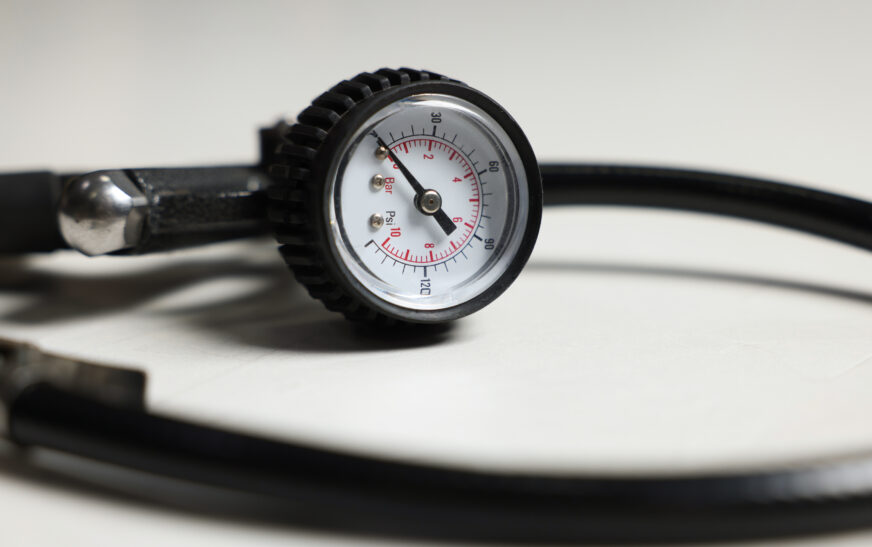
Measuring Air Pressure There is a special instrument that allows measuring air pressure – barometer. There are various types of barometers: mercury, aneroid, and digital. Depending on the chosen type of the device, the unit used for measuring air pressure differs as well. Mercury barometer measures air pressure using a tube filled with mercury, while the aneroid barometer uses evacuated tubes to measure the changes in air pressure. In its turn, the digital barometer shows the results directly.
Being able to use a barometer and interpret its readings is a critical skill for pilots, meteorologists, and even for physicians. Pilots have to know the exact number of millibars at the moment to be able to determine what altitude should be chosen for take-off. Besides, meteorologists require measuring air pressure since they are responsible for predicting the weather. Moreover, doctors have to pay attention to this indicator as it influences the human body.
Effects of Air Pressure on the Human Body Changes in air pressure affect our bodies in various ways. Firstly, it causes pain in the ears and sinuses. As the air pressure becomes either higher or lower, the air inside the ears and sinuses may either expand or contract. That is why many people face problems connected with ear pain and sinus pressure when experiencing such weather patterns as high and low pressure.
Besides, air pressure influences the release of neurotransmitters. Namely, air pressure may cause changes in the level of serotonin, melatonin, and dopamine released. Such changes are responsible for one’s mood and general emotional state. Thus, a sudden change in air pressure may affect people differently.
Air Pressure in Different Environments Air pressure may differ in various environmental settings. Firstly, it is lower at high altitudes due to reduced air density. Thus, people feel that breathing becomes much more difficult at high altitude. On the contrary, air pressure becomes higher when measured underwater. It increases dramatically due to the amount of water above.
In addition, air pressure becomes higher in enclosed spaces such as submarines and planes. Therefore, pilots and sailors have to monitor the air pressure in order to ensure people’s safety.
Air Pressure in Aviation The significance of understanding air pressure for the work of pilots is crucial. They have to know the current air pressure level in order to choose an appropriate altitude for both takeoff and landing. Besides, air pressure also plays a significant role in aircraft performance. At high altitude, air pressure decreases, reducing aircraft’s engine performance. Low air pressure causes high engine power and fuel economy.
Air Pressure in Weather Forecasting Meteorologists need to measure air pressure to predict certain weather patterns. For instance, air pressure helps to distinguish between high-pressure systems and low-pressure systems. In the first case, people will face favorable weather like sunshine, no wind, and clear sky, while the latter is associated with rainy days, clouds, and even storms. With the help of air pressure, meteorologists are able to predict natural disasters such as tornados, hurricanes, and others.
Understanding air pressure is essential for various spheres including aviation, meteorology, and medicine. People will greatly profit from learning about air pressure as it is involved in many processes occurring in nature.