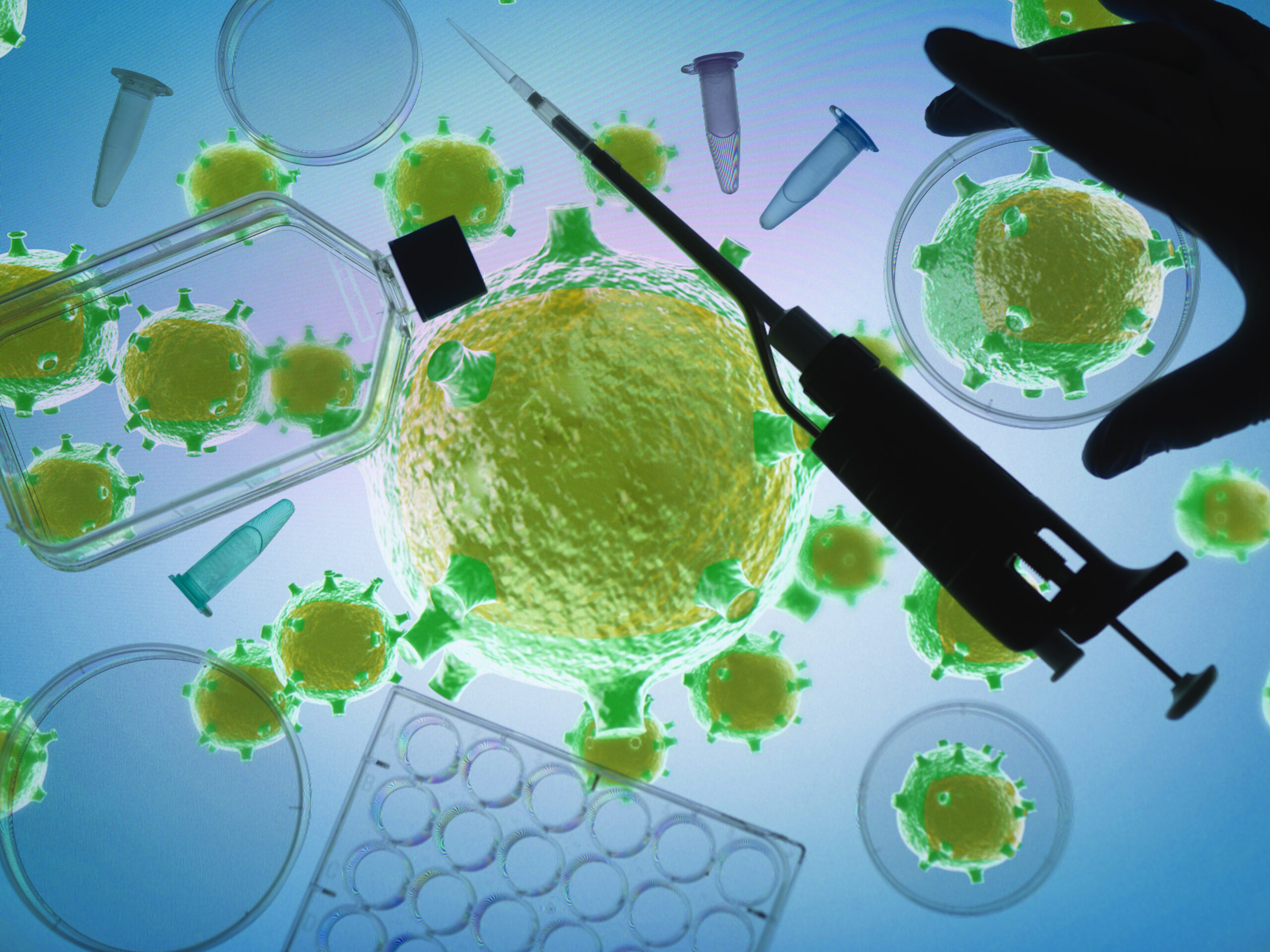


Explanation for Beginners What Genetics Is? Genetics is a science about genes that studies interaction between genes, the effect of environmental factors on genes, and formation of traits. This interesting branch of biology allows people to understand how body functions.
Basics of Genetics
Before providing explanation to beginners, let us consider fundamental aspects of genetics. Heredity means transmission of certain characteristics through generations by means of genes – the smallest unit of inheritance carrying genetic information passed to other cells. Moreover, genes store deoxyribonucleic acid (DNA) – a blueprint of all living creatures.
This double-stranded macromolecule consists of nucleotides which are compounds containing sugar, phosphoric acid, and one out of four bases (adenine, guanine, cytosine, and thymine). Nucleotides bind to each other forming a sequence. This way, polynucleotide strand is created, and its combination with another strand creates a DNA molecule.
Central Dogma of Genetics
Central dogma is the concept explaining heredity mechanisms in living organisms. According to this dogma, genetic information contained in DNA is transferred to RNA, and later, to proteins. Steps involved in this process are:
– transcription – creating RNA copies of certain DNA fragments;
– translation – interpreting RNA codes by ribosomes leading to protein synthesis.
Role of Genes in Inheritance
Living organisms’ characteristics including hair and eye coloration are determined by a certain genetic code carried in genes. After reproduction, offspring receives half of chromosomes of each parent meaning that both parents’ genes are present in offspring. In other words, offspring receives some genes from mothers and others from fathers.
Genetic Variations
People differ in appearance and behavior because of genetic variations related to differences in nucleotide sequences in DNA. Single-nucleotide polymorphisms refer to mutations occurring when one base transforms to another one. Sometimes, this leads to changes in functioning of genes, so that traits of living organisms also vary.
The Impact of Genetic Engineering
The aim of genetic engineering is changing structure of nucleotide sequences and composition of genes so as to introduce desirable traits in certain organisms. Using genome editing techniques, such as CRISPR-Cas9, scientists edit DNA of animals and plants. This way, people obtain new organisms with specific features.
The Future of Genetics
Genome research becomes increasingly popular nowadays since researchers constantly create new technologies for exploring genes and DNA mechanisms. This field is associated with the development of genomics which includes research of humans’ and living creatures’ genomes. It is an innovative sphere helping scientists to discover the factors causing genetic diseases and to treat them.
How to Learn More about Genetics?
There is a range of ways of learning more about genetics. People can attend online courses dedicated to this sphere on Coursera or edX platforms, or they can buy textbooks introducing the key aspects of this science, for example, Genetics: From Genes to Genomes by Leland Hartwell. To follow current developments, you need to read scientific periodicals, such as the Journal of Genetics.