
While looking at the beauty of the water mass that lies in front of you, wonder and amazement fill your heart as you stand on the ocean shore. So many questions come up as you think about the greatness of the ocean. Indeed, the ocean is an amazing and complex sphere of study with plenty of unanswered questions. From interaction between different ecosystems in the marine world to effects of processes taking place on the climate of our planet, there are many spheres connected to ocean science. Fortunately, it is easy to get some knowledge about this science and understand its significance in our life, despite your previous familiarity with it.
Starting With Ocean Science Research
There are so many facts to uncover about ocean science because of its variety. To start researching ocean science, it is essential to have an idea of what oceanography is. Here are some fundamental facts to keep in mind while exploring this sphere.
Ocean Circulation
Firstly, it is necessary to learn more about the concept of ocean circulation. The motion of water is caused by wind, tides, and currents. In addition, ocean circulation helps us understand the effect of the ocean on climate conditions of our planet. This process helps to show how the ocean interacts with the atmosphere, which allows scientists to create climate models and predict weather.
Ocean Currents
Secondly, ocean currents are another important concept of ocean science. These flows exist in all our planet’s water masses and affect global weather conditions. This process needs to be studied as it contributes to the effects of climate change. By providing scientists with data on this phenomenon, you help them model it.
Marine Ecosystems
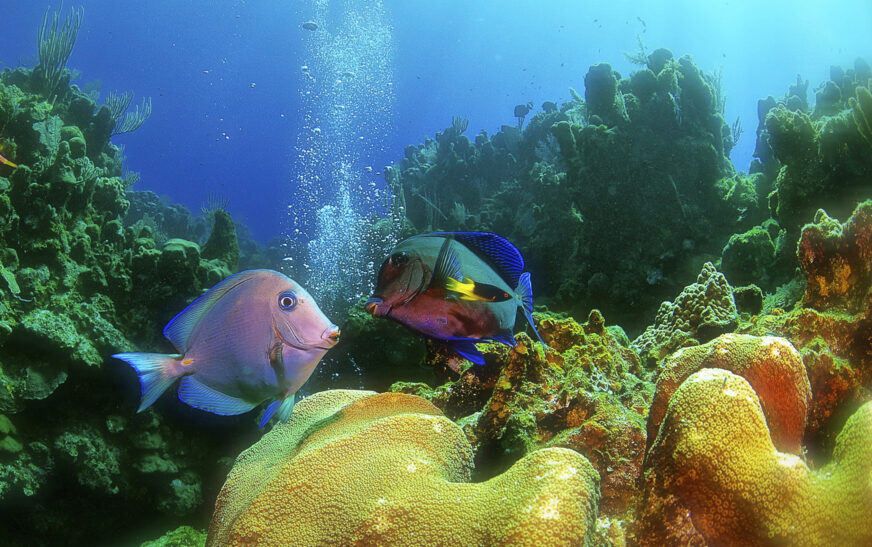
Lastly, the interaction of different species of marine life with each other should be understood to explore the topic of ocean science. It can be seen that waste produced by marine species affects the nutrition of others. Understanding how different species influence the ecosystem of the ocean is very important for scientists.
Exploring Marine Species
Furthermore, it is necessary to study the marine species. It includes fishes, mammals, plankton, and other marine creatures. Understanding how they affect the marine ecosystem is a must if you plan to learn this topic. Moreover, it will be useful to find out about different characteristics of the species mentioned above.
Getting Active in Ocean Science Research
The only way to learn about ocean science is to be active and engaged in ocean science research. Luckily, this activity can be conducted even in your spare time or even on a paid job basis. Examples of participation include joining a research mission, working together with researchers on collecting data, being involved in conservation of the ocean and other activities. Also, you have an opportunity to collaborate with researchers all around the world virtually.
Taking Part in Citizen Science Initiatives
Another option is to participate in citizen science initiatives. By participating in this kind of activity, you help scientists conduct experiments and gather necessary data for the completion of researches. This can include performing some researches on marine species, participating in conservation of the ocean and so on.
Gaining Knowledge Through Learning
Fortunately, you can use so many sources to increase your knowledge of ocean science. Textbooks, scientific articles and online courses are some examples of them. Furthermore, free online courses on ocean science are offered by colleges and universities, which allows you to participate in a specific course. For example, you can sign up for a free online oceanography course. You can also check out specialized websites on the Internet.
Education Through Educational Programs
Educational programs can also help you gain knowledge about this science. These programs are usually organized by colleges and universities, where you can receive some college credits after completing it. Oceanography programs can be also organized in a similar way. In addition, it is possible to obtain information about ocean ecosystem through educational programs.
Getting Education by Attending Conferences and Workshops
These events bring together scientists to discuss their recent discoveries and inventions related to ocean science. By attending one of these, you will be able to learn something new about ocean science. For example, you can attend a conference that discusses climate change effects created by the ocean.
Networking With Ocean Science Enthusiates
To get more insight about this sphere, it is necessary to network with other ocean science enthusiasts. This means that you will make contacts with enthusiasts both in person and online. There are many social media pages and forums where you can contact scientists and experts in this field.
Conclusion
In conclusion, there are plenty of ways to learn about ocean science. Start from gaining an idea about the most basic concepts of oceanography and other spheres associated with ocean science. Then, try participating in citizen science initiatives, using online education or educational programs.