
As humanity is trying hard to discover more ways to produce energy in sustainable and effective manners, nuclear energy has gained its recognition among different forms of energy generation. It is because nuclear energy is a source of producing electricity without emitting greenhouse gases into the atmosphere. Therefore, today, there are many people interested in this field of energy who want to know how it works and why it has become so popular recently. However, before considering all the advantages of nuclear energy and its importance in producing electricity, you need to learn what nuclear energy actually is.
What is Nuclear Energy?
Nuclear energy is one of the types of energy generated via atomic processes. In other words, it is a process in which atomic nuclei are either combined or split to release the vast amount of energy. One of the methods of generating nuclear energy is nuclear fission. It is a procedure in which atomic nuclei are split to release energy, which can be compared with a nuclear chain reaction.
History of Nuclear Energy
Although the first experiments with nuclear energy were conducted long ago in the early 20th century, when such prominent scientists as Marie Curie and Ernest Lawrence started exploring radioactive substances, the era of nuclear energy appeared in the 1950s. The first power plant working on nuclear energy was built in Russia in 1954. Since then, nuclear power plants became a source of generating huge amounts of electricity.
How Nuclear Power Plants Work
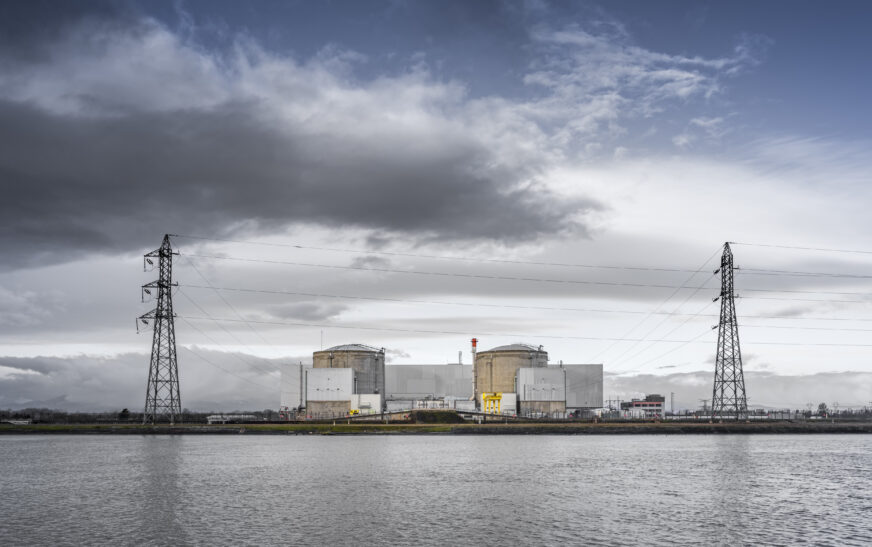
It should be noted that creating nuclear energy is not an easy task and requires several steps. Thus, to produce nuclear energy, atomic nuclei have to be split and this procedure is called nuclear fission. During the process of nuclear fission, a great amount of heat is produced and the latter turns water into steam. Finally, the steam is used to rotate a turbine, which generates electricity.
Nuclear Energy Advantages
There are several benefits of using nuclear energy as the source of electricity. To start with, it produces electricity without causing harm to the environment in form of emissions and pollution. Additionally, nuclear energy is a highly reliable source of electricity, as many nuclear power plants operate at about 90 percent capacity. As for disadvantages, nuclear energy can be dangerous due to various accidents and natural disasters.
Nuclear Energy Disadvantages
At first sight, the main disadvantage of nuclear energy is that this kind of energy is potentially harmful and dangerous because nuclear power plants may experience severe accidents resulting in devastating consequences. Additionally, to work, nuclear power plants require large infrastructure, which means that their construction and operation require huge resources. Besides, nuclear energy produces waste, which needs special handling to prevent negative effects on the environment.
Nuclear Energy and the Environment
In spite of many concerns regarding this problem, one may state that nuclear energy can be regarded as relatively harmless source of energy. Indeed, using nuclear energy, humanity gets an opportunity to avoid harmful emissions and pollution and reduce our dependence on fossil fuels, which are the main reasons of greenhouse gas emissions. However, the production of nuclear waste is one of the aspects that requires further investigation.
Nuclear Energy and the Future
Speaking of future perspectives for this field of energy, one may note that nuclear energy will continue to occupy the key place in the energy market. On the one hand, it is a source of getting energy in a clean manner without any greenhouse gases being emitted into the atmosphere. On the other hand, it is highly reliable source of energy. Finally, there will be constant progress in developing technologies to increase efficiency of nuclear power plants.
Nuclear Energy Education and Training
Today, there are numerous possibilities for those who are interested in this sphere of science. There are universities offering various courses dedicated to nuclear energy. Furthermore, one can find several online resources, where it is possible to study some aspects of nuclear energy. However, if you are planning to become a specialist working in the field, you need to be well-prepared and educated.
Careers in Nuclear Energy
There are a lot of jobs offered to specialists with education in nuclear energy. In particular, it refers to nuclear engineers who design nuclear power plants and perform researches. There are many spheres, where nuclear energy is applied, starting from medicine and ending with industry and agriculture. Having a degree in science, you can consider pursuing a career in nuclear energy.
Conclusion
To sum up, nuclear energy is quite complicated science that demands comprehensive knowledge in the sphere. In spite of various drawbacks, nuclear energy remains promising and valuable resource of getting electricity. Learning all the peculiarities of nuclear energy will be helpful for your future career and contribution to the development of this field.