
Our nervous system plays an essential role in our health and wellbeing since it is responsible for many physiological processes. To start with, our nervous system allows us to breathe, feel heartbeats, move, etc. In many cases, our nervous system works as a silent warrior of our bodily functions. Thanks to the incredible network of nerves, brain, and spinal cord, our nervous system becomes an extraordinary example of biological engineering.
Structure of the Nervous System
Human nervous systems include two types: the central nervous system (CNS) and peripheral nervous system (PNS). Brain and spinal cord form the central nervous system. At the same time, while the brain is the control center for performing voluntary actions, the spinal cord is responsible for transmitting signals from the brain to the rest of the body.
Peripheral Nervous System
As opposed to CNS, PNS includes a range of nerves connecting our brain and spinal cord with the rest of the body. The main function of our PNS is managing the involuntary movements, such as digestion and breathing. The autonomic nervous system is an important component of our peripheral nervous system, which allows regulating heartbeat, blood pressure, and digestion without our awareness.
Function of the Nervous System
Our nervous system controls various bodily processes, including moving, feeling, perceiving, and thinking. Thanks to our nervous system, we are able to coordinate our signals and transmit them in order to perform even the most common functions like walking, speaking, or writing.
Sensory Perception
Furthermore, our nervous system contributes to our sensory perception abilities since thanks to it we can see, smell, feel something, and navigate through our environment. Moreover, our nervous system is engaged in the process of regulating various bodily functions, such as heartbeat, blood pressure, and digestion. Thanks to the nervous system, our body functions efficiently.
Components of the Nervous System
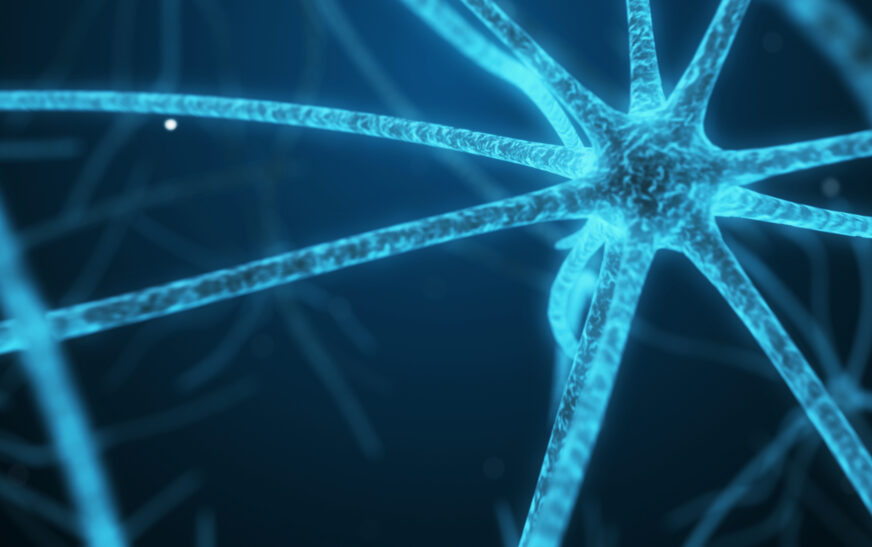
Nerve Cells. Neurons or nerve cells are specialized cells which allow us to transmit and receive the information. Glial Cells. Glial cells provide neurons with protection and support, helping them function effectively. Synapse. It is the space between the neurons where information is transmitted from one neuron to another neuron.
Neurotransmitters
Chemical messengers which allow us to transmit and receive information from other neurons are called neurotransmitters. Namely, neurotransmitters are released by the axon terminals of one neuron and bound by the receptor of another neuron, causing information transfer. Acetylcholine, dopamine, serotonin, and many others serve as neurotransmitters for movement, thinking, and moods regulation.
Neuroplasticity
The ability of our brain to change and adapt to any injury or novelty is called neuroplasticity. Neuroplasticity of the brain allows us to adapt to the changing environment and learn all the new skills. Neuroplasticity is vital when it comes to restoring the function of the brain after trauma or injuries.
Maintenance of Nervous System
For us to function properly, it is necessary to take care of our nervous system. To do that, we need to eat a balanced diet consisting of vegetables, fruit, and whole grains. Physical exercises and enough sleep will allow maintaining the effective functioning of the nervous system. Chronic stress, however, can have an adverse effect on the nervous system, causing such disorders as depression or anxiety.
Conclusion and Recommendations
In conclusion, it is crucial to understand how nervous systems work for achieving optimal health and well-being. This article has provided us with the basic information about the structure, functioning, and components of our nervous system. If you are eager to learn more about nervous systems, then this comprehensive guide will become a perfect foundation for you.