

Breathing air, drinking water, and living on lands is becoming a hazardous activity since all three sources have been affected by pollution. The problem is multidimensional and includes many forms of contamination including industrial and chemical contamination, agricultural pollution, as well as human-related. In this case, the understanding of how pollution works and how it can be managed becomes vital for creating a safer environment in the future.
Sources of Pollution
Generally, one can single out point source pollution and non-point source pollution. Point source pollution occurs when people deliberately discharge any substances harmful for the environment. Non-point source pollution comes as a result of people’s actions. The sources of the first type include factories and other facilities producing large quantities of toxic substances. The latter type refers to human activities that involve discharges of exhausts, fertilizers, as well as some household chemicals.
As an example of point source pollution, one should consider industry that discharges various substances during the manufacturing processes. This process affects both air and water sources since factories and plants can emit harmful substances either in the atmosphere or in water bodies. The example of this type is the US coal-fired power plants that produce enormous amounts of carbon dioxide and sulfur dioxide. However, many companies try to reduce their negative impact by introducing environmentally friendly technologies.
The Sources of Pollution in Relation to Human Activities
Human-related activities cause numerous problems concerning the quality of the environment. It concerns all spheres: air, water, and land pollution. For instance, transportation releases harmful compounds such as nitrogen oxides, carbon monoxide, and other gases into the air, which adversely affects human health. Additionally, using fossils for generating power contributes to climate change due to emissions of greenhouse gases.
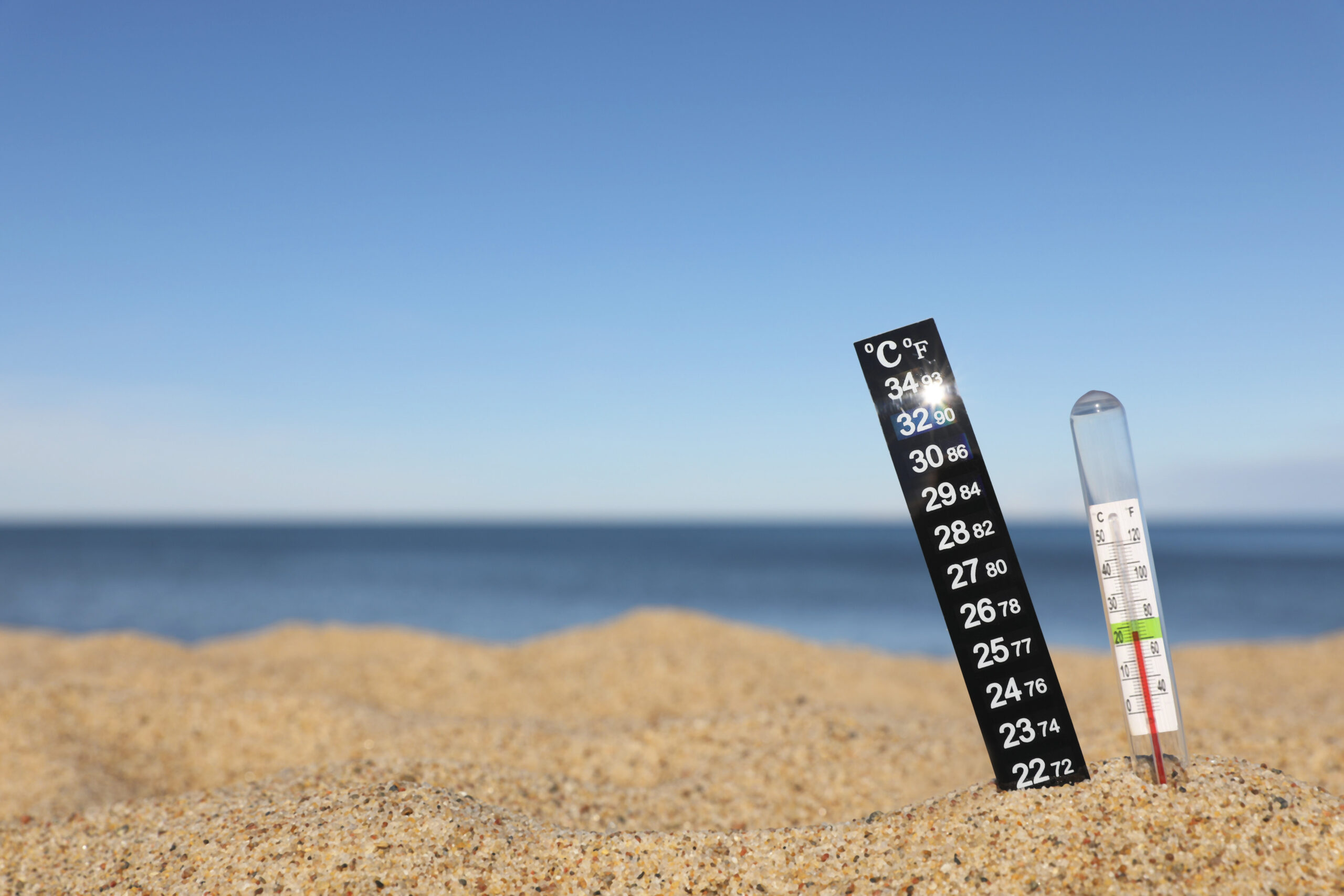
Other examples of human activities affecting pollution include agriculture and energy generation. Both spheres affect land and water sources because of fertilizers and pesticides that are discharged into waters by farmers. Energy generation leads to global temperature increase due to carbon dioxide emissions released into the atmosphere.
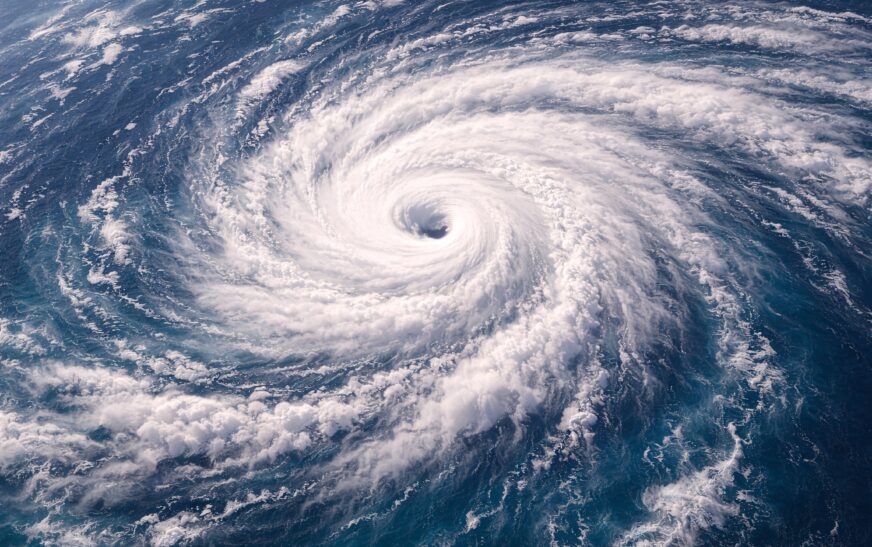
In addition to humans’ actions, natural catastrophes might become sources of pollution. Such phenomena as oil spills, hurricanes, as well as fires may lead to soil pollution as well as contaminations of water sources.
Controlling Pollution
To control pollution, there is a variety of technologies, as well as behavioral measures that can help to diminish negative impacts on the environment. Air filters used for removing particles and gases from air and water purification technologies that help to eliminate hazardous materials from water become extremely important for protecting the planet.
However, people are able to make their contribution through behavioral actions that do not require spending money. For example, people should start using solar panels and energy-saving products to reduce their dependency on energy from fossil fuels that pollute the environment. One more way to reduce pollution involves the choice of means of transportation such as public transport and bicycles.
Mitigating the Effect of Pollution
There are several approaches that can help to prevent negative consequences of pollution. They include policy changes related to the establishment of norms and standards for pollution. Governments can introduce policies to force businesses to follow ecological guidelines to reduce harmful emissions and wastes.
Besides, education campaigns can be organized in order to raise people’s attention to this issue. Moreover, innovative technologies should be encouraged as the solution to mitigate the effects of pollution. Bioremediation technologies aimed at cleaning the contaminated sites by using microorganisms become increasingly popular today. Another technology is carbon capture and storage that allows capturing and storing carbon dioxide emissions in special underground chambers.
Conclusion
It appears that the pollution is a serious concern that demands comprehensive analysis of its origins, effects, and possible solutions. People have to learn how pollution works and what kind of technologies are available to reduce this phenomenon. Finally, everyone should realize that people can significantly contribute to fighting pollution and saving our planet.